
The short answer
Brewers sort hops in three main ways. By alpha acid: low-alpha aroma hops at about 2.5–6%, and high-alpha bittering hops at about 10–15%.[1] By heritage: four old European landraces are called “noble”, Hallertauer Mittelfrüh, Tettnanger, Spalt and Saaz.[2] By where they’re grown: British hops such as Fuggle and East Kent Goldings, German and Czech hops such as Hallertauer and Saaz, American hops such as Cascade, Citra and Mosaic, and New Zealand and Australian hops such as Nelson Sauvin and Galaxy. Each variety has its own aroma: Citra’s supplier lists “mango, grapefruit flesh, lime zest”, Fuggle’s “potting soil, tobacco, floral, spearmint”.[3] Below we compare 28 of them, with the alcohol-free beers in our directory that use each one.
Below: aroma vs bittering hops, the noble hops, hops by country, a table of 28 varieties with their alpha acids and aromas, the hops alcohol-free brewers use most, and the forms hops come in. New to hops? Start with what are hops?
Aroma hops and bittering hops
Alpha acids are “the main bittering agent in hops”, and varieties “are often grouped into four categories based on their alpha acid content”. At the ends: “low-alpha aroma varieties with alpha acid levels of perhaps 2.5%–6%” and “high-alpha bittering varieties with alpha acid levels of perhaps 10%–15%”.[1] A bittering hop gives more bitterness per kilo in the boil; an aroma hop is prized for its oils. Bitterness quality differs too: “brewers believe iso-cohumulone contributes a rougher, harsher quality of bitterness”, and “Traditional aroma hops tend to be low in cohumulone, whereas some bittering varieties have higher levels.”[4]
The lines have blurred. Some modern hops are high in alpha acid and still prized for aroma: Citra is “known for its high alpha-acid and total-oil content” and “has become a cornerstone of aroma varieties for all brewers”, its supplier says.[5]
British, Czech and GermanAmerican, New Zealand and Australian
British, Czech and German
American, New Zealand and Australian
The Oxford Companion to Beer puts low-alpha aroma varieties at “perhaps 2.5%–6%” and high-alpha bittering varieties at “perhaps 10%–15%”.
Sources: John I. Haas, Hops Companion (2022);[3] British Hop Association (First Gold, Admiral);[6] Oxford Companion to Beer.[1]
Show as a table
| Variety | Family | Alpha acids |
|---|---|---|
| Saaz | British, Czech and German | 2.5–4.5% |
| Tettnanger | British, Czech and German | 2.5–5.5% |
| Hallertauer Mittelfrüh | British, Czech and German | 3–5.5% |
| Fuggle | British, Czech and German | 3.5–6.5% |
| East Kent Goldings | British, Czech and German | 4–6% |
| Hallertauer Tradition | British, Czech and German | 4–7% |
| Perle | British, Czech and German | 4–9% |
| Challenger | British, Czech and German | 6.5–9% |
| First Gold | British, Czech and German | 6.5–10% |
| Hallertauer Magnum | British, Czech and German | 11–16% |
| Herkules | British, Czech and German | 12–17% |
| Admiral | British, Czech and German | 13–16% |
| Cascade | American, New Zealand and Australian | 4.5–7% |
| Motueka | American, New Zealand and Australian | 6.5–7.5% |
| Amarillo | American, New Zealand and Australian | 8–11% |
| Centennial | American, New Zealand and Australian | 9.5–11.5% |
| Citra | American, New Zealand and Australian | 11–13% |
| Mosaic | American, New Zealand and Australian | 11.5–13.5% |
| Nelson Sauvin | American, New Zealand and Australian | 12–13% |
| Chinook | American, New Zealand and Australian | 12–14% |
| Simcoe | American, New Zealand and Australian | 12–15.5% |
| Sabro | American, New Zealand and Australian | 12–16% |
| Idaho 7 | American, New Zealand and Australian | 13–15% |
| El Dorado | American, New Zealand and Australian | 13–17% |
| Galaxy | American, New Zealand and Australian | 13–18.5% |
| Azacca | American, New Zealand and Australian | 14–16% |
| Columbus | American, New Zealand and Australian | 15–17% |
| Vic Secret | American, New Zealand and Australian | 15.1–21.8% |
What are noble hops?
“‘Noble’ hops is a historical and commercial term, which is somewhat arbitrarily assigned to four distinct hop landraces”: Hallertauer Mittelfrüh, from the Hallertau region of Bavaria; Tettnanger, from Tettnang near Lake Constance; Spalt, from south of Nuremberg; and Saaz, from the Žatec region of the Czech Republic. They’re “revered for their pleasing aroma profile and gentle bitterness, with alpha acid to beta acid ratios of 1:1”, but “they are notoriously low yielding and highly disease prone.” Their influence runs deep: “Many hop varieties released in the past century can trace their lineage to at least one of these nobles.”[2]
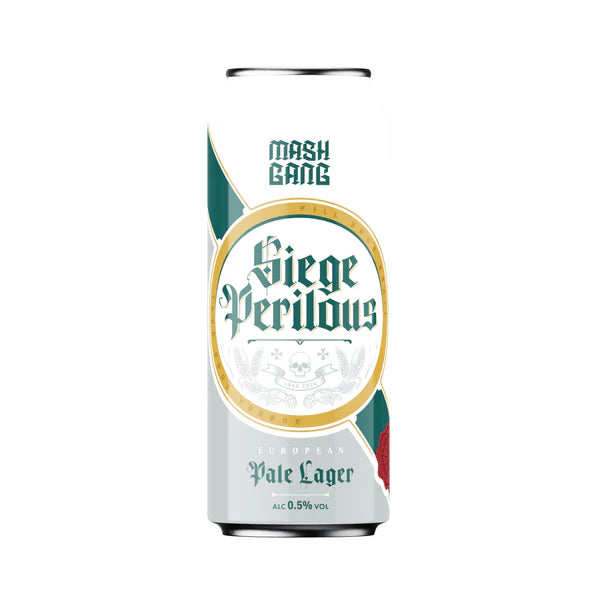
Of the noble hops, Saaz is the one alcohol-free brewers in our directory name most, in 6 beers, such as Mash Gang Siege Perilous Lager. For the pale lagers of Germany and Czechia, see pilsner vs lager and what is helles?
Hops by country
British. “British Hop aromas are delicate, complex and some have a significant intensity,” says the British Hop Association, which lists 34 British varieties.[6] The classics are Fuggle and East Kent Goldings, both low in alpha acid; Challenger was “developed at Wye College from a cross made in 1963”.[3] The best bitter guidelines note that “English finishing hops are most traditional, but any hops are fair game”.[7] Some British varieties are fruity: Harlequin (“passionfruit, peach, pineapple”) and Olicana (“mango, grapefruit, passionfruit”).[6]
German and Czech. Germany grows more hops than any other country: 18,962 hectares in 2025.[8] Its classics are the Hallertauer and Tettnanger noble hops, with Saaz across the border in Czechia. Germany’s Hüll research centre bred Hallertauer Magnum (1980), Hallertauer Tradition (1993) and the high-alpha Herkules (2006).[3] The German pils guidelines simply ask for “Traditional German hops”.[9]
American. The USA is the second-biggest grower, with 17,057 hectares in 2025.[8] Its varieties include Cascade (released by the USDA and Oregon State University in 1972), Chinook (1985), Centennial (1990), Simcoe (2000), and the Hop Breeding Company’s Citra, Mosaic (2012) and Sabro (2018).[3] An American pale ale’s “clean hop presence can reflect classic or modern American or New World hop varieties”.[10]
New Zealand and Australian. Nelson Sauvin, from New Zealand’s HortResearch programme in 2000, is known for “white wine, gooseberry”; Australia’s Galaxy, sold from 2009, for “passion fruit, peach, complex citrus”.[3]
A beer with three hops counts three times. Hops outside our table aren’t counted.
Source: Unhopped’s directory.
Show as a table
| Country | Mentions | Details |
|---|---|---|
| USA | 142 | 142 mentions of USA hops |
| Germany | 18 | 18 mentions of Germany hops |
| New Zealand | 13 | 13 mentions of New Zealand hops |
| Czechia | 6 | 6 mentions of Czechia hops |
| Australia | 3 | 3 mentions of Australia hops |
| UK | 2 | 2 mentions of UK hops |
28 hop varieties compared
The alpha acid range and aroma notes for each, from the suppliers’ own data, with how many alcohol-free beers in our directory use it. Bitterness also depends on when the hop goes in: see when brewers add hops.
| Variety (bred or released by) | From | Alpha acids | Aroma, in the supplier’s words | In our directory |
|---|---|---|---|---|
| Fuggle | UK | 3.5–6.5% | Potting soil, tobacco, floral, spearmint[3] | — |
| East Kent Goldings | UK | 4–6% | Citrus, artichoke, gingerbread, woodruff[3] | — |
| ChallengerWye College; crossed 1963, released 1971 | UK | 6.5–9% | Banana, eucalyptus, vanilla, cognac[3] | — |
| First Gold | UK | 6.5–10% | Orange, marmalade, spicy[6] | 1: e.g. Below Brew Co Brune DMC |
| Admiral | UK | 13–16% | Resinous, orangey, citrus[6] | 1: e.g. Drop Bear Peach Cut Lager |
| SaazA landrace from Žatec | Czechia | 2.5–4.5% | Bergamot, honey, woody, chamomile tea, spicy[3] | 6: e.g. Mash Gang Siege Perilous Lager |
| Hallertauer MittelfrühA landrace from the Hallertau | Germany | 3–5.5% | Sage, rosemary, lavender, pine[3] | 4: e.g. Below Brew Co Heaven & Helles |
| TettnangerFrom the Lake Constance region | Germany | 2.5–5.5% | Lily of the valley, cognac, chocolate, bergamot[3] | 2: e.g. Below Brew Co Heaven & Helles |
| Hallertauer TraditionHüll Research Center, 1993 | Germany | 4–7% | Apricot, peach, cassis, orange[3] | 3: e.g. Drop Bear Peach Cut Lager |
| PerleReleased 1978 | Germany | 4–9% | Marjoram, peppermint, lime, pear[3] | 4: e.g. Below Brew Co Forgot To Take My Pils |
| Hallertauer MagnumHüll Hop Research Center, 1980 | Germany | 11–16% | Lemon, green pepper, spearmint, apple[3] | 4: e.g. Big Drop Pine Trail Pale Ale |
| HerkulesHüll Hop Research Center, 2006 | Germany | 12–17% | Orange, lemongrass, honeydew melon, lemon balm, peppermint[3] | 1: e.g. Days Pale Ale |
| CascadeUSDA and Oregon State University, 1972 | USA | 4.5–7% | Floral, grapefruit, pine resin[3] | 8: e.g. Big Drop Paradiso Citra IPA |
| AmarilloVirgil Gamache Farms | USA | 8–11% | Tangerine, lemon, apricot, melon, wild flowers[3] | 8: e.g. Athletic Brewing Free Wave Hazy IPA |
| CentennialUSDA and Washington State University, 1990 | USA | 9.5–11.5% | Orange, lime, cherry, pine resin, orange blossom[3] | 4: e.g. Jump Ship Jackstaff IPA |
| CitraHop Breeding Company | USA | 11–13% | Mango, grapefruit flesh, lime zest[3] | 41: e.g. Northern Monk Faith Alcohol Free |
| MosaicHop Breeding Company, 2012 | USA | 11.5–13.5% | Tangerine, lime, peach, passion fruit, blueberry[3] | 33: e.g. Athletic Brewing Free Wave Hazy IPA |
| ChinookUSDA, Washington State, 1985 | USA | 12–14% | Grapefruit, apricot, pine resin, juniper[3] | 4: e.g. Big Drop Poolside DDH IPA |
| SimcoeYakima Chief Ranches, 2000 | USA | 12–15.5% | Grapefruit, stone fruit, passion fruit, bubblegum, earth, pine[3] | 16: e.g. Brulo Lust for Life DDH IPA |
| SabroHop Breeding Company, 2018 | USA | 12–16% | Tangerine, tropical fruit, stone fruit, coconut[3] | 6: e.g. Below Brew Co Ohana |
| Idaho 7Jackson Hop Farm, 2015 | USA | 13–15% | Guava, apricot, pine resin, lemon, orange pith[3] | 3: e.g. Mash Gang x Siren Out of Nowhere Pilsner |
| El DoradoCLS Farms, 2010 | USA | 13–17% | Mandarin, pear, apricot, watermelon, wintergreen[3] | 7: e.g. Northern Monk Faith Alcohol Free |
| AzaccaADHA, Yakima | USA | 14–16% | Ripe mango, papaya, pineapple, Valencia orange, grapefruit, pine resin, fresh grass[3] | 7: e.g. Big Drop Poolside DDH IPA |
| Columbus | USA | 15–17% | Lemon, black pepper, green onion, mango[3] | 5: e.g. Brulo Cascadian Tides Stout |
| MotuekaPlant and Food Research | New Zealand | 6.5–7.5% | Lime zest, mojito, lemongrass, stone fruit nectar, banana, basil[3] | 6: e.g. Big Drop Poolside DDH IPA |
| Nelson SauvinHortResearch, 2000 | New Zealand | 12–13% | White wine, gooseberry, grapefruit, mango, lychee, melon[3] | 7: e.g. Mash Gang x Siren Out of Nowhere Pilsner |
| GalaxyHop Products Australia; created 1994, sold from 2009 | Australia | 13–18.5% | Passion fruit, peach, complex citrus[3] | 2: e.g. Fierce Fancy Juice Hazy IPA 0.5 |
| Vic SecretHop Products Australia; bred 2000, sold from 2013 | Australia | 15.1–21.8% | Passion fruit, pineapple, pine, ginger[3] | 1: e.g. Basqueland Hero Hazy IPA |
Most rows are from John I. Haas’s Hops Companion (4th edition, 2022); First Gold and Admiral are from the British Hop Association. Haas gives no breeder or year for some varieties. We count a beer’s hops only where the brewer names them on a page we’ve checked, or the beer’s description on Unhopped does. Hops we haven’t confirmed aren’t counted.
Sources: John I. Haas, Hops Companion (2022).[3] Beers: Unhopped’s directory.
The hops you’ll see most on alcohol-free cans
Citra
American, from the Hop Breeding Company; alpha acids 11–13%, with “mango, grapefruit flesh, lime zest”.[3] The hop alcohol-free brewers name most in our directory: 41 beers, such as Northern Monk Faith Alcohol Free, Athletic Brewing Free Wave Hazy IPA and Brulo Lust for Life DDH IPA.
Mosaic
Released by the Hop Breeding Company in 2012; “tangerine, lime, peach, passion fruit, blueberry”.[3] In 33 beers in our directory, such as Athletic Brewing Free Wave Hazy IPA, Big Drop Poolside DDH IPA and Brulo Lust for Life DDH IPA.
Simcoe
Bred by Yakima Chief Ranches and released in 2000; “grapefruit, stone fruit, passion fruit, bubblegum, earth, pine”.[3] In 16 of our beers, such as Brulo Lust for Life DDH IPA, Lucky Saint Hazy IPA and Brulo Cascadian Tides Stout.
Saaz
The Czech noble hop, low in alpha acid (2.5–4.5%), with “bergamot, honey, woody, chamomile tea, spicy”.[3] In 6 of our beers, such as Mash Gang Siege Perilous Lager, Below Brew Co Brune DMC and Below Brew Co Forgot To Take My Pils.
Cascade
Released by the USDA and Oregon State University in 1972: “floral, grapefruit, pine resin”.[3] In 8 of our beers, such as Big Drop Paradiso Citra IPA, BrewDog Punk AF and Clausthaler Dry Hopped.
Nelson Sauvin and Galaxy
From the southern hemisphere: Nelson Sauvin for “white wine, gooseberry”, Galaxy for “passion fruit, peach, complex citrus”.[3] Nelson Sauvin is in 7 of our beers, such as Mash Gang x Siren Out of Nowhere Pilsner and BrewDog Punk AF; Galaxy is in 2, such as Fierce Fancy Juice Hazy IPA 0.5 and Jump Ship Dazzle Ship Galaxy IPA.
Fuggle and Goldings
England’s traditional hops: Fuggle for “potting soil, tobacco, floral, spearmint”, East Kent Goldings for “citrus, artichoke, gingerbread, woodruff”, in Haas’s words; the British Hop Association calls Goldings “spicy, honey, earthy”.[3][6] Of the 94 beers whose hops we’ve checked, none uses Fuggle and one Goldings.
The hops in alcohol-free beer
We’ve checked the hops of 94 of the 373 alcohol-free beers in our directory: 51 different hops in all. American hops dominate the top of the list.
We count a beer’s hops only where the brewer names them on a page we’ve checked, or the beer’s description on Unhopped does. Hops we haven’t confirmed aren’t counted.
Source: Unhopped’s directory of 373 alcohol-free beers.
Show as a table
| Hop | Beers naming it | Details |
|---|---|---|
| Citra | 41 | 41 of the 94 beers whose hops we’ve checked |
| Mosaic | 33 | 33 of the 94 beers whose hops we’ve checked |
| Simcoe | 16 | 16 of the 94 beers whose hops we’ve checked |
| Amarillo | 8 | 8 of the 94 beers whose hops we’ve checked |
| Cascade | 8 | 8 of the 94 beers whose hops we’ve checked |
| Azacca | 7 | 7 of the 94 beers whose hops we’ve checked |
| El Dorado | 7 | 7 of the 94 beers whose hops we’ve checked |
| Nelson Sauvin | 7 | 7 of the 94 beers whose hops we’ve checked |
| Motueka | 6 | 6 of the 94 beers whose hops we’ve checked |
| Saaz | 6 | 6 of the 94 beers whose hops we’ve checked |
| Sabro | 6 | 6 of the 94 beers whose hops we’ve checked |
| Columbus | 5 | 5 of the 94 beers whose hops we’ve checked |
For the hoppiest of them, ranked by our scores with prices, see the best hoppy alcohol-free beers.
Whole cones, pellets and extracts: the forms hops come in
“Types of hops” can also mean the form they’re sold in. “Whole leaf hops are the dried cones of the hops plant and the least processed form available.” “Pellets are produced by shredding dried whole hops and then extruding them through a die”; “T-45 pellets have had much of the vegetal material removed, producing a more concentrated product.” “Wet hops are only available during the autumn hops harvest and must be used immediately due to their perishability.” Plugs, “just tiny hops bales of only an ounce or two (28 to 57 g)”, are mostly used to dry hop cask ale. Extracts “allow for very precise dosing of bitterness because they’re standardized to a known percentage of alpha acids”, and concentrated lupulin powder is “twice as potent as traditional hops products”.[11]
Fruity, but not fruit. When a beer’s mango comes from its hops and when it comes from mango: Fruit and spices in beer.
Questions people ask
What are the main types of hops?
Aroma hops (low in alpha acid, about 2.5–6%) and bittering hops (high in alpha acid, about 10–15%). Four old European aroma hops are called noble. Many modern varieties are high in alpha acid but used for aroma.
What are noble hops?
Four European landraces: Hallertauer Mittelfrüh, Tettnanger, Spalt and Saaz. The term is historical and commercial. They’re known for aroma and gentle bitterness.
What is the most popular hop?
In our directory of alcohol-free beers, Citra: 41 of the 94 beers whose hops we’ve checked use it, ahead of Mosaic (33) and Simcoe (16).
Which hops taste of citrus?
Citra (“mango, grapefruit flesh, lime zest”), Amarillo (“tangerine, lemon, apricot”), Centennial (“orange, lime, cherry”) and Cascade (“floral, grapefruit, pine resin”), in John I. Haas’s descriptions.
What are British hops like?
The British Hop Association calls their aromas “delicate, complex”. Fuggle and East Kent Goldings are the classics; others, such as Harlequin and Olicana, are fruity.
What is the difference between hop pellets and whole hops?
Whole hops are dried cones, the least processed form. Pellets are whole hops shredded and pressed through a die; T-45 pellets are more concentrated.
Sources
Opened and checked on 6 November 2026. Beer facts, prices and stock come from each beer’s page on Unhopped and the shops’ own listings on the same day.
- Brynildson M. Alpha acids. In: The Oxford Companion to Beer, ed. Garrett Oliver (Oxford University Press, 2012), via Craft Beer & Brewing. beerandbrewing.com
- Carollo Blake V. Hops. In: The Oxford Companion to Beer, ed. Garrett Oliver (Oxford University Press, 2012), via Craft Beer & Brewing. beerandbrewing.com
- John I. Haas, Inc. Hops Companion: A Brewer’s Guide to Hop Varieties and Hop Products, 4th edition, 2022. Opened 6 November 2026. johnihaas.com (PDF)
- Shellhammer T. Cohumulone. In: The Oxford Companion to Beer, ed. Garrett Oliver (Oxford University Press, 2012), via Craft Beer & Brewing. beerandbrewing.com
- Yakima Chief Hops. Citra® Brand HBC 394 (variety page). Opened 6 November 2026. yakimachief.com
- British Hop Association. British Hop Varieties (web page, updated 5 July 2022). Opened 6 November 2026. britishhops.org.uk
- Beer Judge Certification Program. 2021 Beer Style Guidelines: 11B Best Bitter. styles.bjcp.org
- BarthHaas. BarthHaas Report 2025/2026 on the 2025 hop crop (news release), 21 July 2026. Opened 6 November 2026. barthhaas.com
- Beer Judge Certification Program. 2021 Beer Style Guidelines: 5D German Pils. styles.bjcp.org
- Beer Judge Certification Program. 2021 Beer Style Guidelines: 18B American Pale Ale. styles.bjcp.org
- Carpenter D. 6 Forms of Hops. Craft Beer & Brewing, 20 June 2017. Opened 6 November 2026. beerandbrewing.com
More on hops
- What are hops?The plant, what it does to beer, and why it matters even more without alcohol.Read it
- Types of hopsAroma, bittering and noble hops, and 28 varieties compared.You’re reading this one
- What does triple hopped mean?Three additions, three hops or three times the hops.Read it
- Dry hopping and DDHWhat dry hopped and double dry hopped mean on a can.Read it
- The best hoppy alcohol-free beersEleven ranked by Unhopped score, with prices.Read it
- What is hazy IPA?The juicy, cloudy IPA built on late and dry hopping.Read it
- Beer without hopsUnhopped beer, gruit, and the herbs brewers used before hops.Read it
- Every alcohol-free IPA we listThe full directory, with our scores.See the list