Definition
A hazy IPA is a style of India Pale Ale defined by its cloudy, opaque appearance, soft mouthfeel, and intensely tropical, juicy hop flavour. The style emerged in Vermont in the late 2000s and is also called a New England IPA (NEIPA). Hazy IPAs use late hop additions, low-flocculation yeast strains, and oat or wheat additions to achieve their distinctive look and flavour.
If you've walked into a craft beer pub or a bottle shop in the last five years, you've seen them: the cloudy orange-yellow beers in the fridge, often with abstract artwork on the can, often described as 'hazy' or 'NEIPA' or 'juicy'. They've become the dominant new style of UK and US craft brewing in the 2020s — and the alcohol-free category has caught up fast. This is what hazy IPA actually is, where it came from, and what makes a good one.
What is a hazy IPA?
A hazy IPA is an IPA that's deliberately brewed to be cloudy rather than clear — and that uses brewing techniques designed to produce intense, juicy hop flavour with low bitterness and a soft, almost creamy mouthfeel. The defining characteristics are:
- Cloudy, opaque appearance — ranging from light haze to almost milkshake-thick.
- Tropical, fruity hop flavours — mango, pineapple, citrus, stonefruit dominate over the pine and grapefruit notes of older IPA styles.
- Soft, smooth mouthfeel — the beer feels rounded rather than crisp.
- Low bitterness for the strength — far less aggressive than traditional West Coast IPAs.
- Late hop additions — most hops added in the whirlpool and dry-hop stages, not the boil.
Where did hazy IPA come from?
The hazy IPA style was effectively invented in Vermont, USA, in the late 2000s. The two breweries usually credited with creating the style are Hill Farmstead Brewery in Greensboro Bend, Vermont (founded by Shaun Hill in 2010), and The Alchemist in Stowe, Vermont, where John Kimmich brewed the now-legendary Heady Topper from 2003 onwards.
Heady Topper is widely cited as the prototype for the modern hazy IPA — an unfiltered, intensely hopped, cloudy double IPA that Kimmich deliberately served straight from the can to preserve the hop aromatics. From those Vermont origins, the style was picked up and developed further by Tree House Brewing in Massachusetts (founded 2011), Trillium in Boston, and Other Half in Brooklyn — the wave of 'hazies' that defined American craft brewing through the mid-2010s.
By the late 2010s the style had crossed the Atlantic. UK craft brewers including Cloudwater (Manchester), Verdant (Cornwall), Deya (Cheltenham), and Northern Monk (Leeds) made the hazy IPA central to their identity. By 2020 it was comfortably the dominant style in modern UK craft brewing.
How is hazy IPA brewed?
The grain bill
Hazy IPAs typically use a grain bill heavy in oats, wheat, and sometimes other adjuncts (like spelt or rye). These high-protein grains contribute three things: the soft, full mouthfeel that defines the style; the proteins that bind to polyphenols and create the characteristic haze; and a subtle malt sweetness that supports the tropical hop flavours.
The hops
The hop varieties used in hazy IPAs are usually modern American or Southern Hemisphere varieties bred for tropical, juicy flavour rather than bittering: Citra, Mosaic, Galaxy, Nelson Sauvin, El Dorado, Strata, Riwaka, Sabro. These are added late in the brewing process — mostly in the whirlpool (after the boil) and as dry hops (during fermentation). Late additions extract flavour and aroma without extracting the bitterness that comes from longer boiling.
Hop biotransformation
One of the more recent discoveries in hazy IPA brewing is hop 'biotransformation' — the way active fermentation yeast can chemically alter hop compounds and create new flavour compounds that didn't exist in either the hops or the wort alone. Brewers use this by dry-hopping during active fermentation (usually 2-3 days in) rather than after fermentation finishes. Done well, biotransformation produces some of the more remarkable tropical fruit flavours in modern brewing — particularly pineapple, mango, and stonefruit notes that aren't present in the raw hops.
The yeast
Traditional UK and US brewing yeasts 'flocculate' well, meaning they clump together and drop out of suspension after fermentation, leaving a clear beer. Hazy IPA brewers deliberately use low-flocculation yeast strains — often Vermont Ale yeast (Conan), London Ale III, or various commercial NEIPA strains — that stay suspended in the beer and contribute to the characteristic haze. These yeasts also typically produce more fruity esters than traditional strains, reinforcing the juicy flavour profile.
Water chemistry
Hazy IPA brewers usually adjust their water chemistry to favour chloride over sulfate — the opposite of West Coast IPA brewing. High chloride enhances the perception of body and softness; high sulfate sharpens bitterness. Most hazy IPAs target a chloride-to-sulfate ratio of around 2:1, sometimes higher.
What does a hazy IPA taste like?
A well-made hazy IPA should taste like:
- Tropical fruit and citrus on the nose — mango, pineapple, passionfruit, orange, grapefruit, sometimes coconut or melon.
- Soft, juicy mouthfeel — described variously as 'creamy', 'pillowy', 'smoothie-like'.
- Low bitterness — even high-ABV hazy IPAs feel less bitter than equivalent West Coast IPAs.
- A clean finish — minimal lingering bitterness; the beer ends sweet rather than dry.
- An almost 'orange juice' quality in the best examples — the highest-rated hazies are sometimes described as tasting like fruit juice rather than conventional beer.
Hazy IPA vs other IPA styles
The IPA category covers several distinct styles. Here's how hazy IPA fits in:
| Style | Appearance | Bitterness | Flavour focus | Origin |
|---|
| English IPA | Clear amber | High | Earthy, herbal, biscuity malt | 1700s England |
| West Coast IPA | Clear gold | High | Pine, citrus, resinous | 1980s California |
| Hazy IPA / NEIPA | Cloudy yellow-orange | Low for ABV | Tropical, juicy, soft | 2000s Vermont |
| Black IPA | Opaque dark brown | High | Hop-forward with roasted malt | 2000s Pacific Northwest |
| Imperial / Double IPA | Varies (clear or hazy) | Variable | Higher ABV (7.5%+) | Various origins |
For deeper comparisons, see our companion guides: Hazy IPA vs West Coast IPA, What is a NEIPA?, and Hazy IPA vs Pale Ale.
Why is hazy IPA cloudy?
The cloudiness in a hazy IPA comes from three main sources:
- Suspended yeast — low-flocculation yeasts stay in suspension rather than dropping out.
- Protein-polyphenol complexes — high-protein grains (oats, wheat) bond with polyphenols from heavy dry-hopping to form persistent haze particles.
- Hop oils and dry-hop debris — intensive dry-hopping leaves microscopic hop matter suspended in the beer.
All three are deliberate. The haze isn't a fault — it's a defining feature of the style. For more on the science behind it, see why is hazy IPA cloudy?.
Alcohol-free hazy IPAs
Hazy IPA was one of the harder styles to translate into alcohol-free format. The hop-aroma intensity that defines the style depends partly on alcohol as a solvent — remove the alcohol and aromatics fade. The soft mouthfeel depends partly on alcohol's contribution to body. Early alcohol-free hazies tended to taste thin and muted compared to their full-strength counterparts.
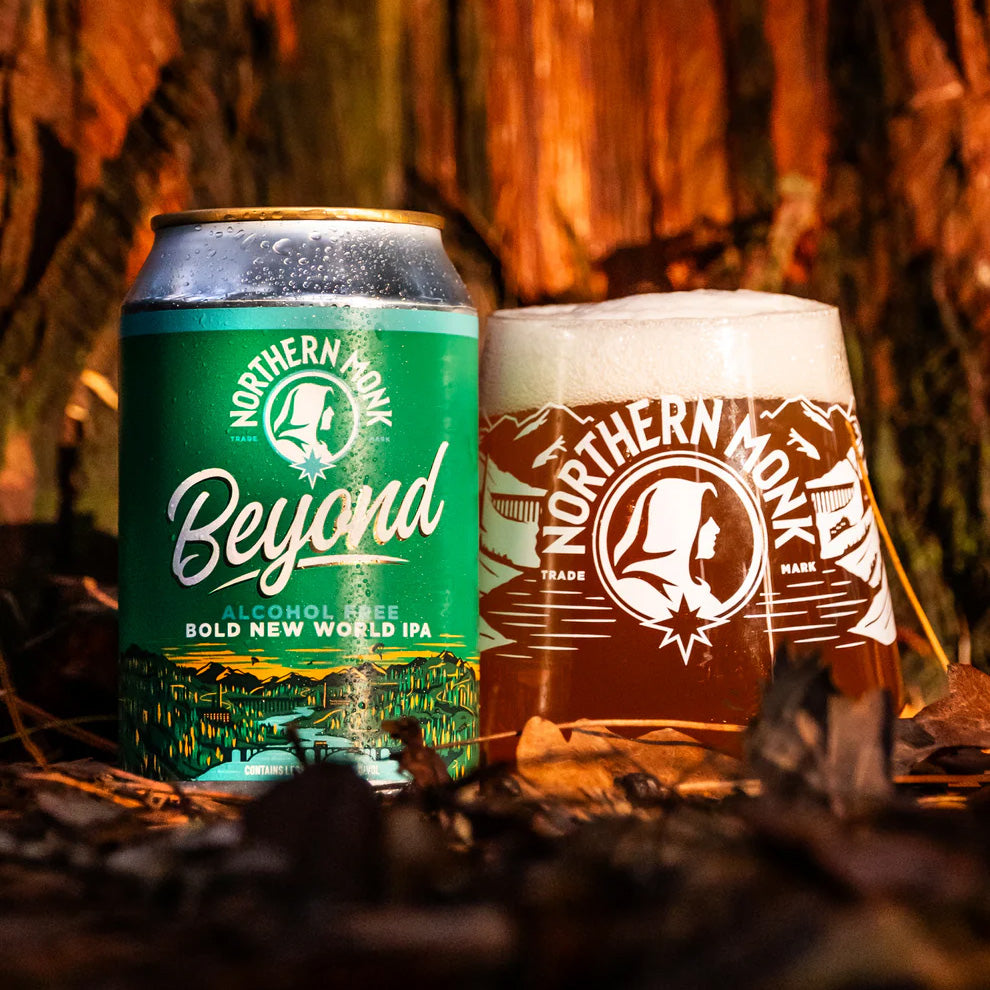
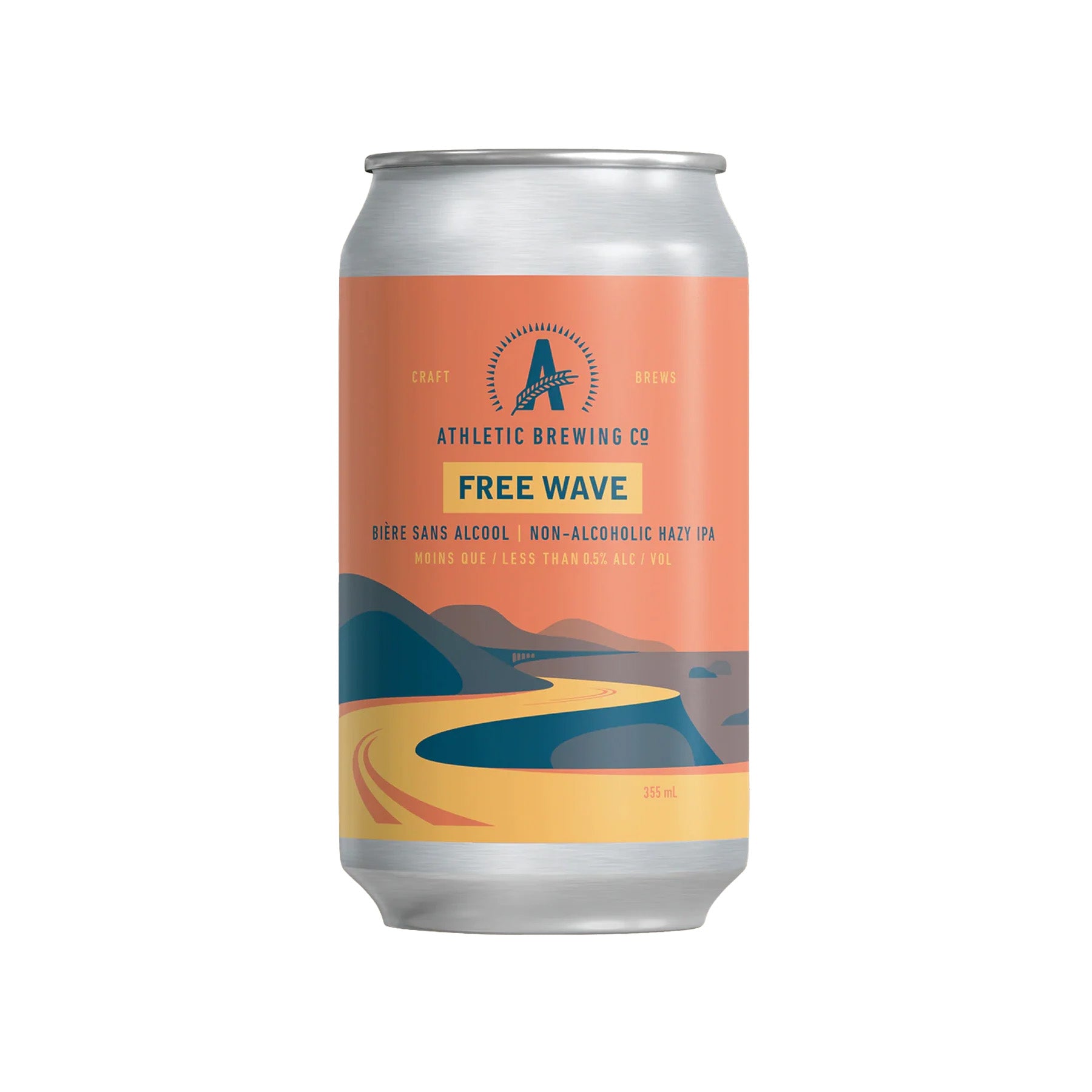
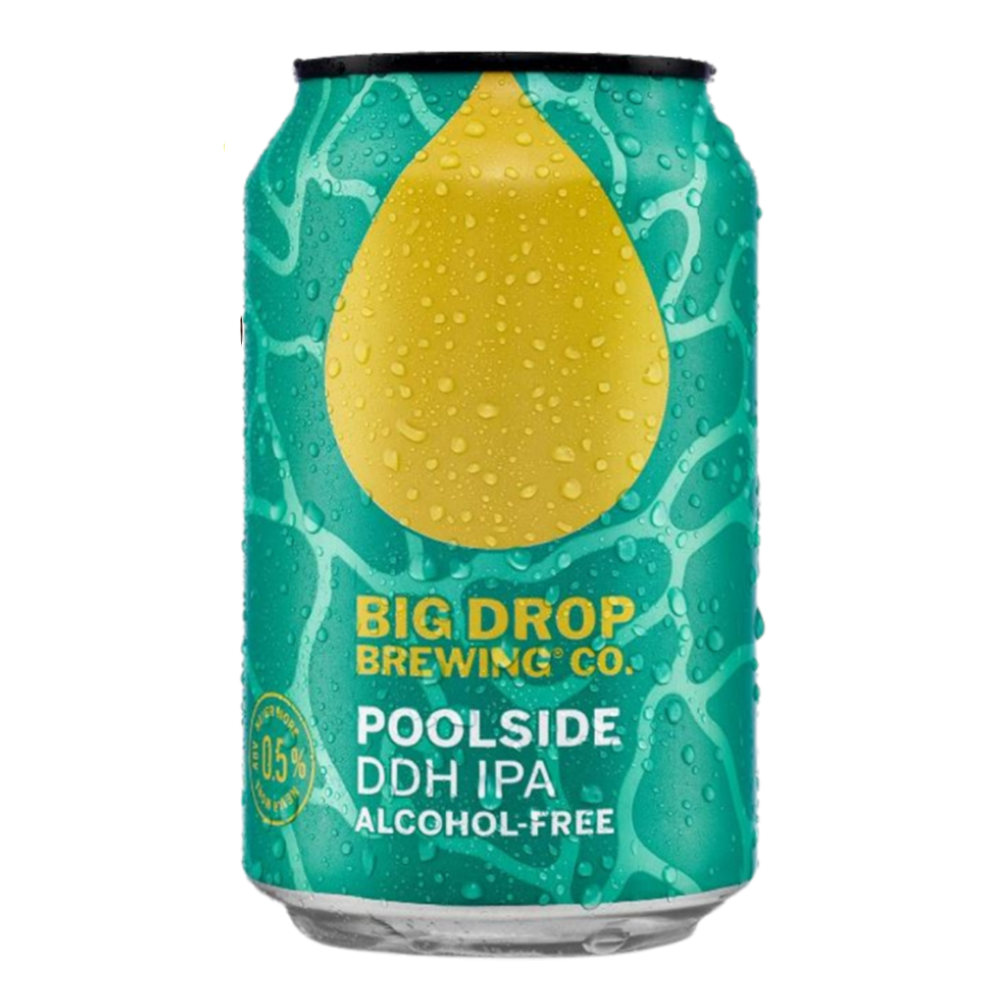
That changed quickly. Modern alcohol-free hazy IPAs from breweries like Northern Monk, Athletic Brewing, and Big Drop now compete credibly with their full-strength equivalents. The gap is small enough that most drinkers wouldn't notice the difference in a blind taste test if they didn't already know.
For a ranked list of the best alcohol-free hazy IPAs available in the UK, see our dedicated guide: Best Alcohol-Free Hazy IPA UK.
Related reading on Unhopped:
Frequently Asked Questions
What makes a hazy IPA hazy?
Three things: suspended low-flocculation yeast, protein-polyphenol complexes from oat/wheat grain bills bonding with hop polyphenols, and microscopic hop matter from heavy dry-hopping. All three are deliberate — the haze is a defining feature of the style, not a fault.
Is a hazy IPA the same as a NEIPA?
Effectively yes, but with a subtle distinction. NEIPA (New England IPA) refers specifically to the Vermont/New England origin tradition. 'Hazy IPA' is the broader umbrella term that covers NEIPAs and the global wave of similarly-styled beers brewed elsewhere. In practice the two terms are used interchangeably.
Why are hazy IPAs less bitter than other IPAs?
Hazy IPAs add most of their hops late in the process — in the whirlpool after the boil, and as dry hops during fermentation. Late additions extract flavour and aroma without extracting bitterness (which comes from longer boiling). The result is intense hop character with comparatively low IBUs.
Where did hazy IPA originate?
Vermont, USA, in the late 2000s. The style is most associated with John Kimmich at The Alchemist (whose Heady Topper is widely credited as the prototype) and Shaun Hill at Hill Farmstead. From there it spread to Tree House (Massachusetts), Trillium (Boston), and Other Half (Brooklyn), then crossed the Atlantic in the late 2010s.
What ABV is a hazy IPA?
Most hazy IPAs sit in the 6-7.5% ABV range. Hazy double IPAs (DIPAs) and triple IPAs go higher (7.5-10%+). Modern alcohol-free versions exist at 0.5% ABV from breweries like Northern Monk and Athletic Brewing.
How can you tell if a hazy IPA has gone bad?
Hazy IPAs are particularly perishable because their flavour depends on volatile hop aromatics that fade quickly. Signs of an old hazy: muted aroma, lingering bitterness (oxidation has destroyed the soft balance), darkening colour (oxidation), or stale, cardboard-like notes. Drink them as fresh as possible — ideally within 60-90 days of packaging.
Sources & Further Reading
- Garrett Oliver (ed.), The Oxford Companion to Beer (Oxford University Press, 2011) — entries on IPA styles and brewing process.
- Brewers Association — 2024 Beer Style Guidelines, including the 'Juicy or Hazy India Pale Ale' category specifications.
- Scott Janish, The New IPA: Scientific Guide to Hop Aroma and Flavor (2019) — technical reference on hop biotransformation, dry-hopping, and the chemistry of hazy IPAs.
- John Kimmich, The Alchemist (Stowe, Vermont) — Heady Topper brewery and history.
- Shaun Hill, Hill Farmstead Brewery (Greensboro Bend, Vermont) — one of the early defining breweries of the style.
- Stan Hieronymus, For the Love of Hops: The Practical Guide to Aroma, Bitterness and the Culture of Hops (Brewers Publications, 2012).
About the author: Rich is the founder of
Unhopped, a UK-built discovery platform for alcohol-free beer. He writes about beer styles, brewing process, and the alcohol-free category. This article was researched against the Oxford Companion to Beer, the Brewers Association style guidelines, and primary brewing literature on the New England IPA tradition.