Alcohol-Free IPA
Hoppy, citrus-forward and bursting with aroma. The NA category at its finest.
36 beers reviewed and ranked
IPA is the most-brewed beer style in modern craft brewing — and one of the most-attempted in alcohol-free. The hop-forward profile that defines IPA is a natural fit for AF brewing: hops bring aroma and bitterness, neither of which depends on alcohol to deliver. The challenge is body, balance, and the dry, characterful finish that good IPAs have. Some AF IPAs nail it. Some miss. We've tried them all.
What is an IPA?
India Pale Ale is a hop-forward pale ale style that originated in 18th-century England as a heavily-hopped, higher-alcohol version of pale ale brewed for the long sea journey to British India. Hops act as a natural preservative, which is why the style developed its distinctive bitterness. The modern IPA — particularly the American craft IPA that took off from the 1980s onwards — leans much harder into hop aroma and flavour than the original would have, but the structural backbone is the same: pale malt, prominent hops, dry finish.
IPA today is a family of substyles rather than a single beer. The main branches you'll see on the alcohol-free shelf:
West Coast IPA
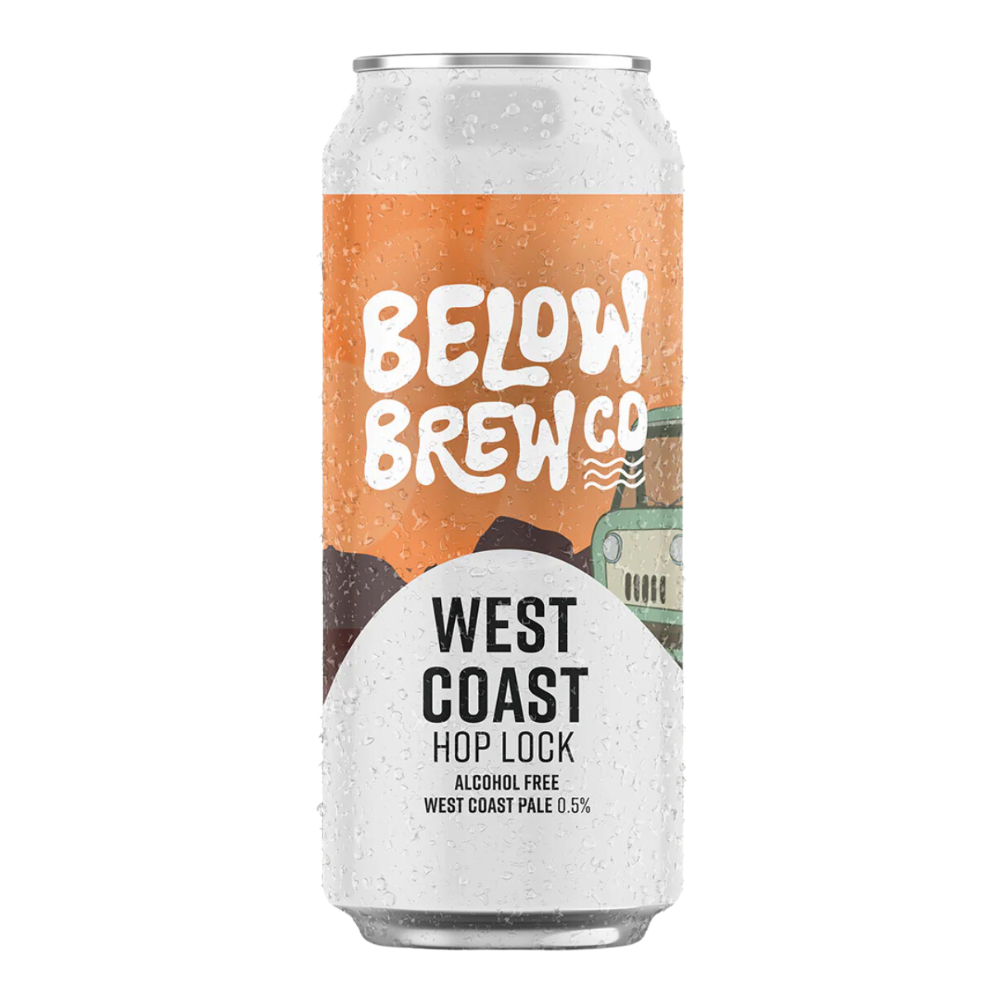
Clear (filtered), assertive bitterness (50–70 IBU), pine and citrus hop character, dry finish. The classic American craft IPA. Athletic Brewing Run Wild is a strong AF example.
Hazy IPA / NEIPA
Cloudy, soft, low bitterness, juicy tropical-fruit hop character. Now its own thing — see our dedicated alcohol-free hazy IPA hub for the full range.
Session IPA
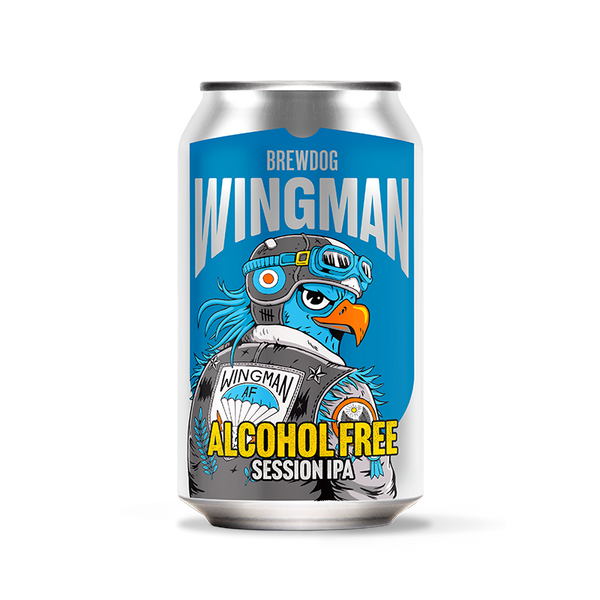
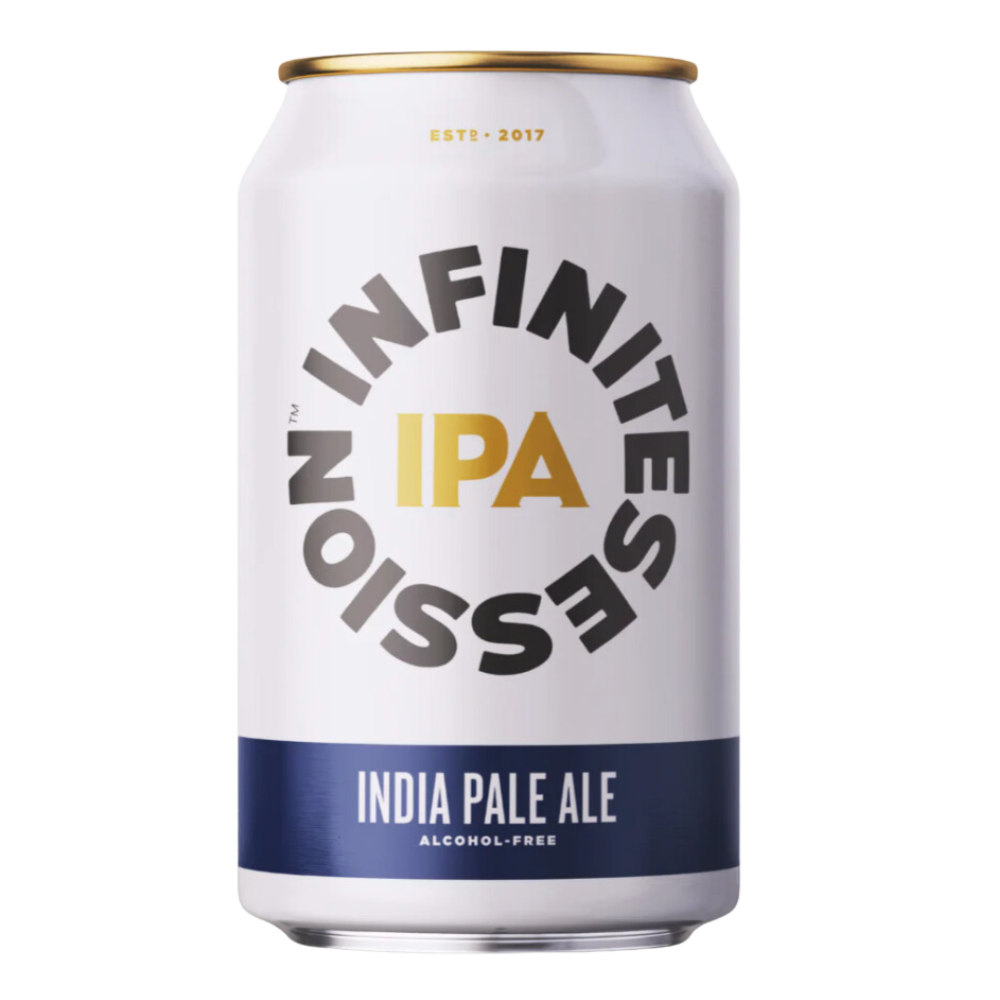
Lower-strength version (typically 4–5% ABV in full-strength form) with the hop character of an IPA but more drinkable. The session IPA concept maps cleanly onto alcohol-free — most AF "IPAs" are technically session IPAs that have had their already-modest alcohol removed entirely.
English IPA
More malt-forward and earthy than American versions, with English hop varieties (Fuggle, Goldings, East Kent) rather than the citrus-and-tropical American/Antipodean hops. Less common in the AF category but a few examples exist.
What makes a good alcohol-free IPA?
The honest answer: the same things that make any good beer — balance, body, aroma, finish. AF IPAs fail when one of those collapses. Common failure modes include thin body (alcohol stripped without compensating malt or unfermented sugars), dominant sweetness (too much residual sugar to compensate for missing alcohol body), and aroma fade (insufficient or stale hopping).
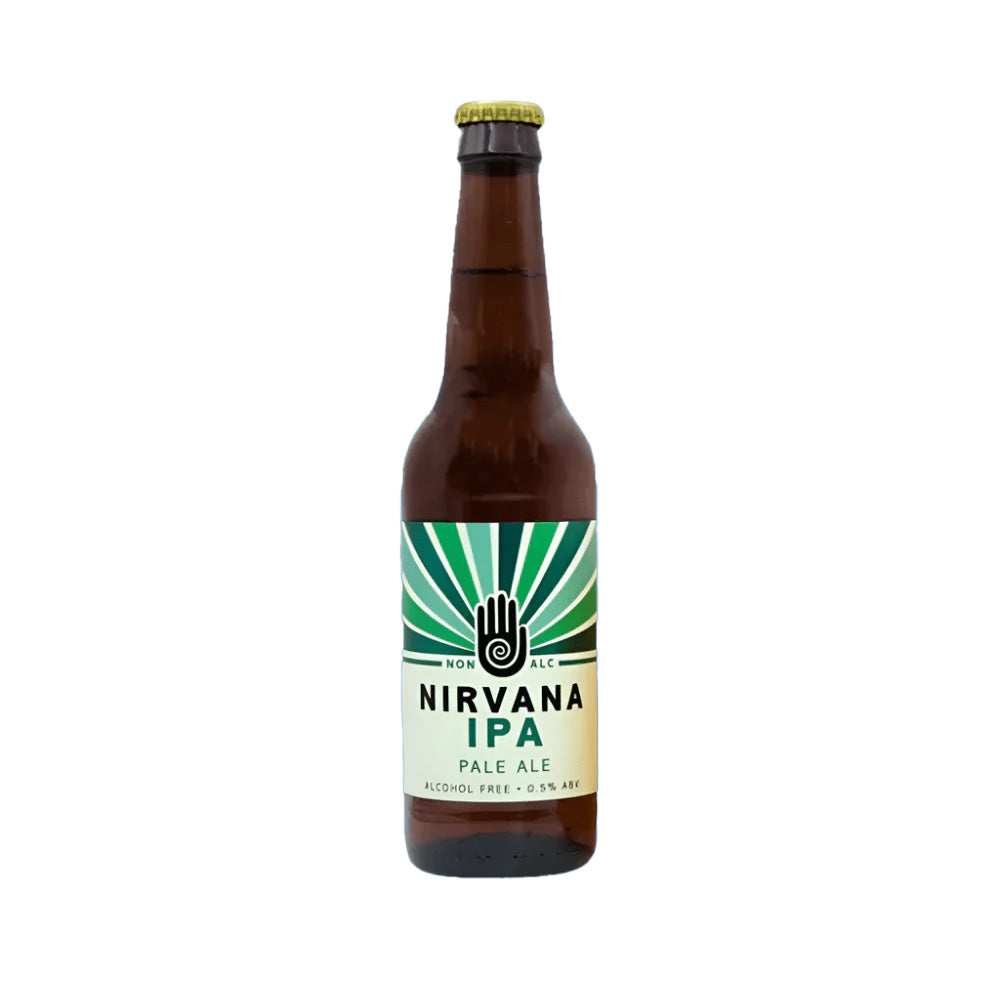
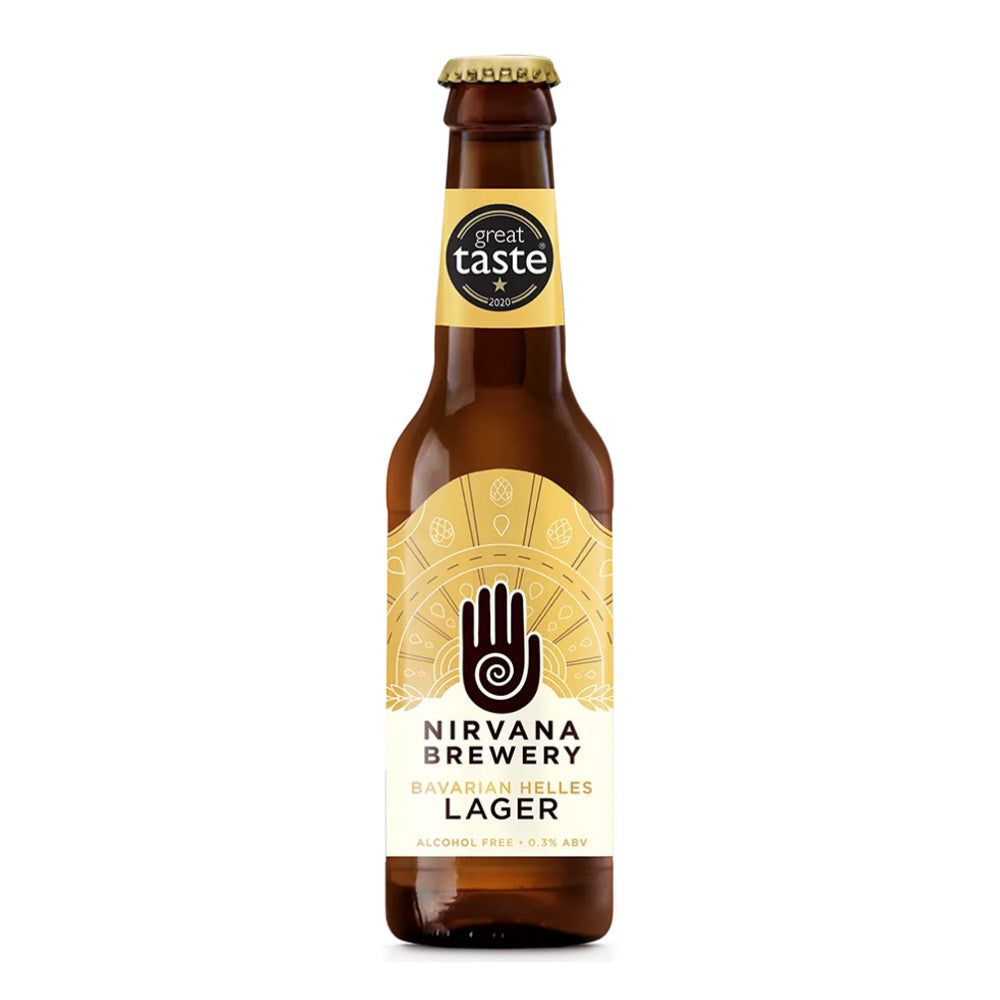
Look for breweries that build the AF process into the recipe rather than dealcoholising a finished beer. Athletic Brewing, Mash Gang, Big Drop, Lucky Saint, and Nirvana Brewery all approach AF IPA as a category in its own right rather than as a watered-down version of something else.
For the difference between IPA and pale ale, see our explainer on hazy IPA vs pale ale.
Some links below are affiliate links. We earn a small commission if you buy through them, at no extra cost to you. Rankings are never influenced by commission. Read full disclosure.

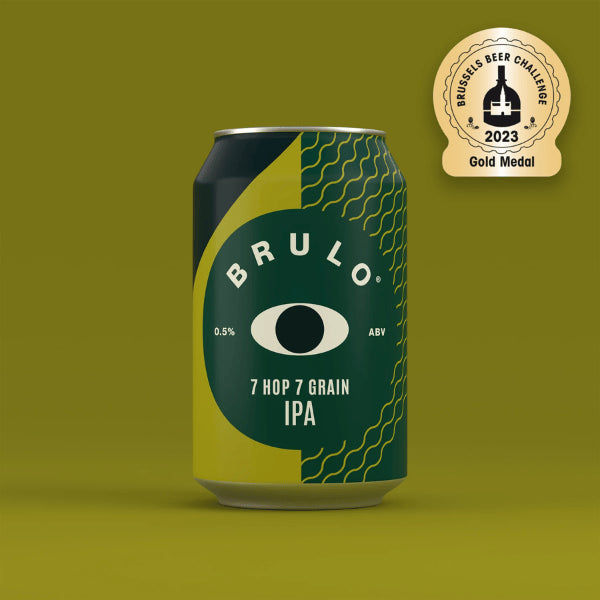
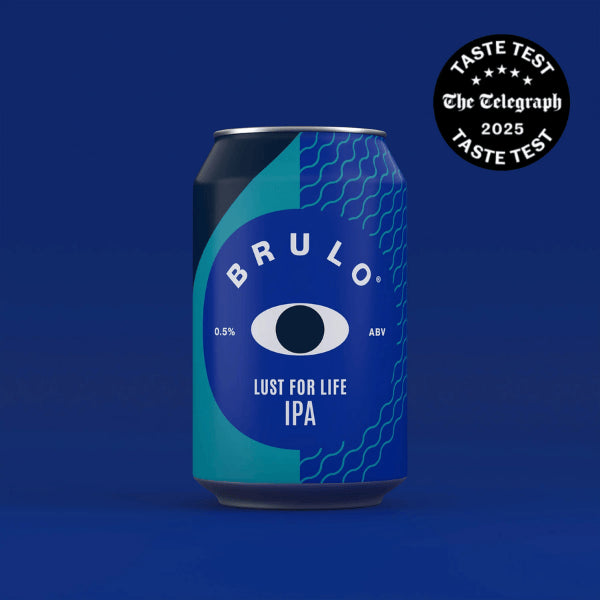
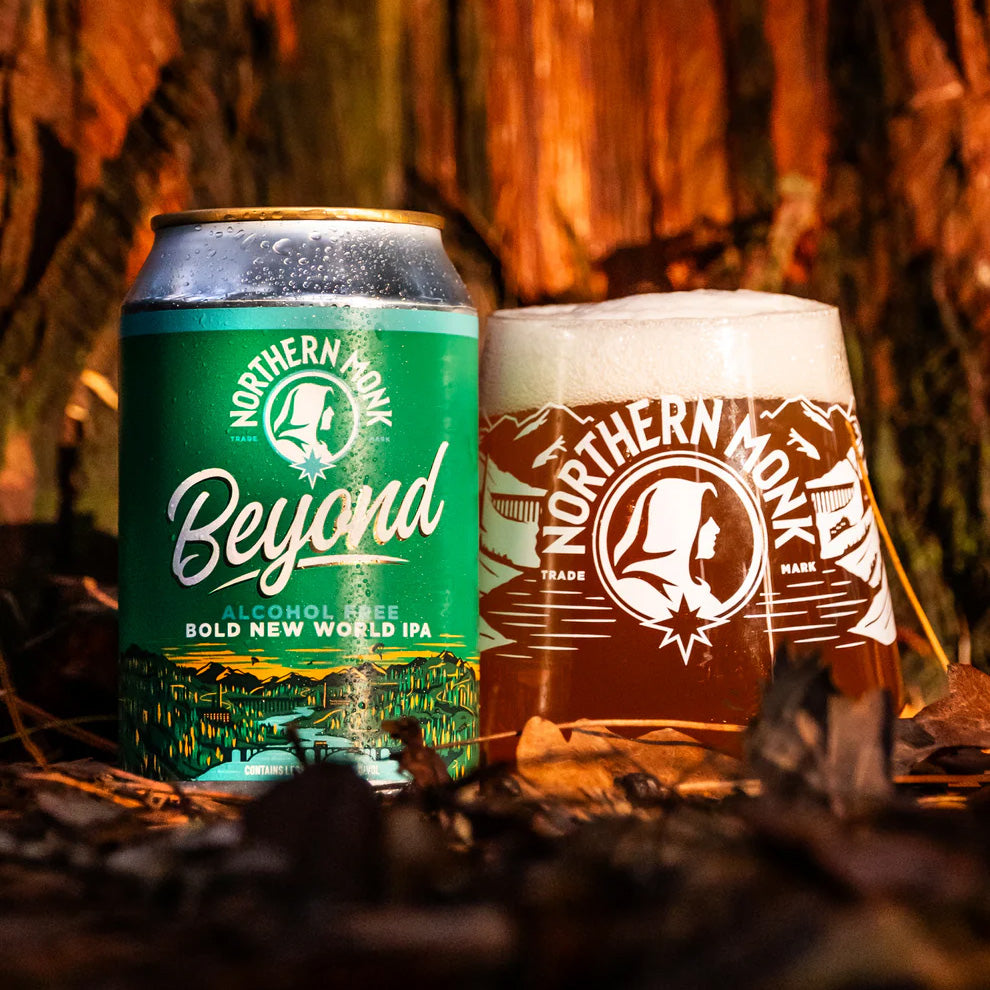

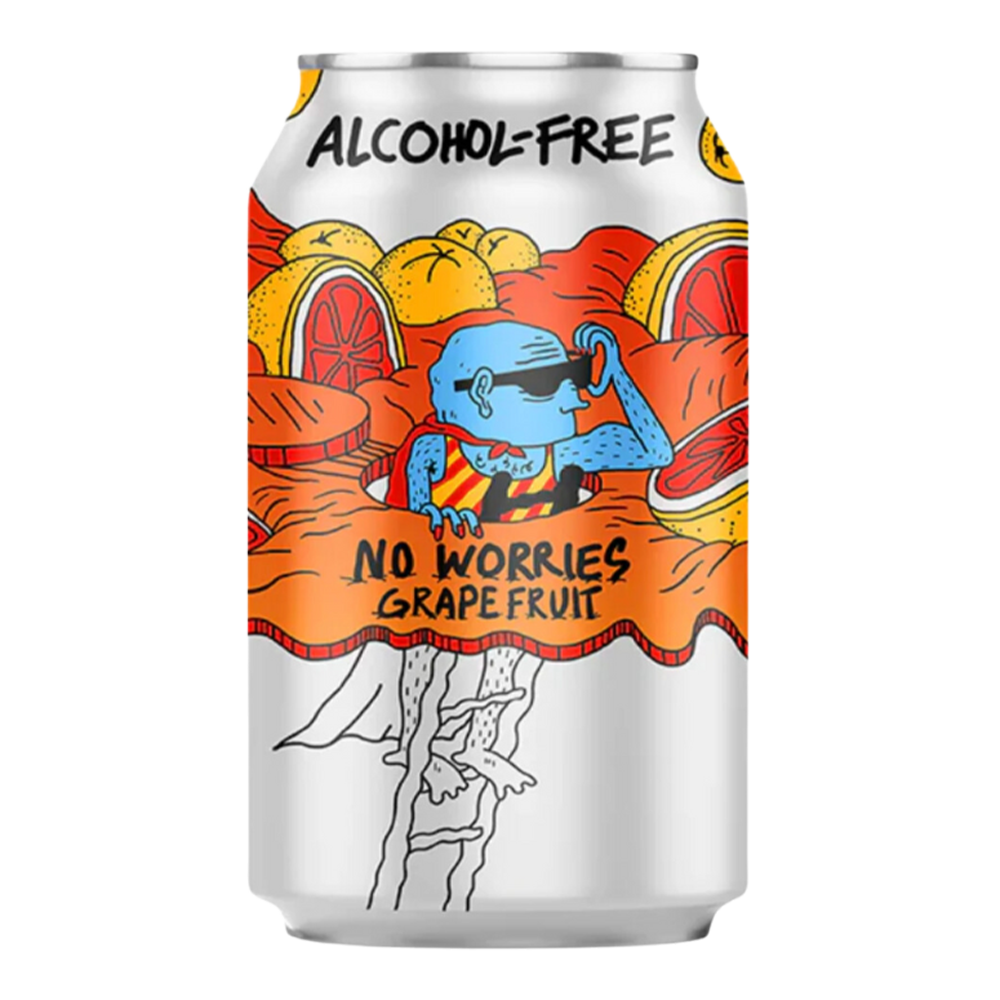


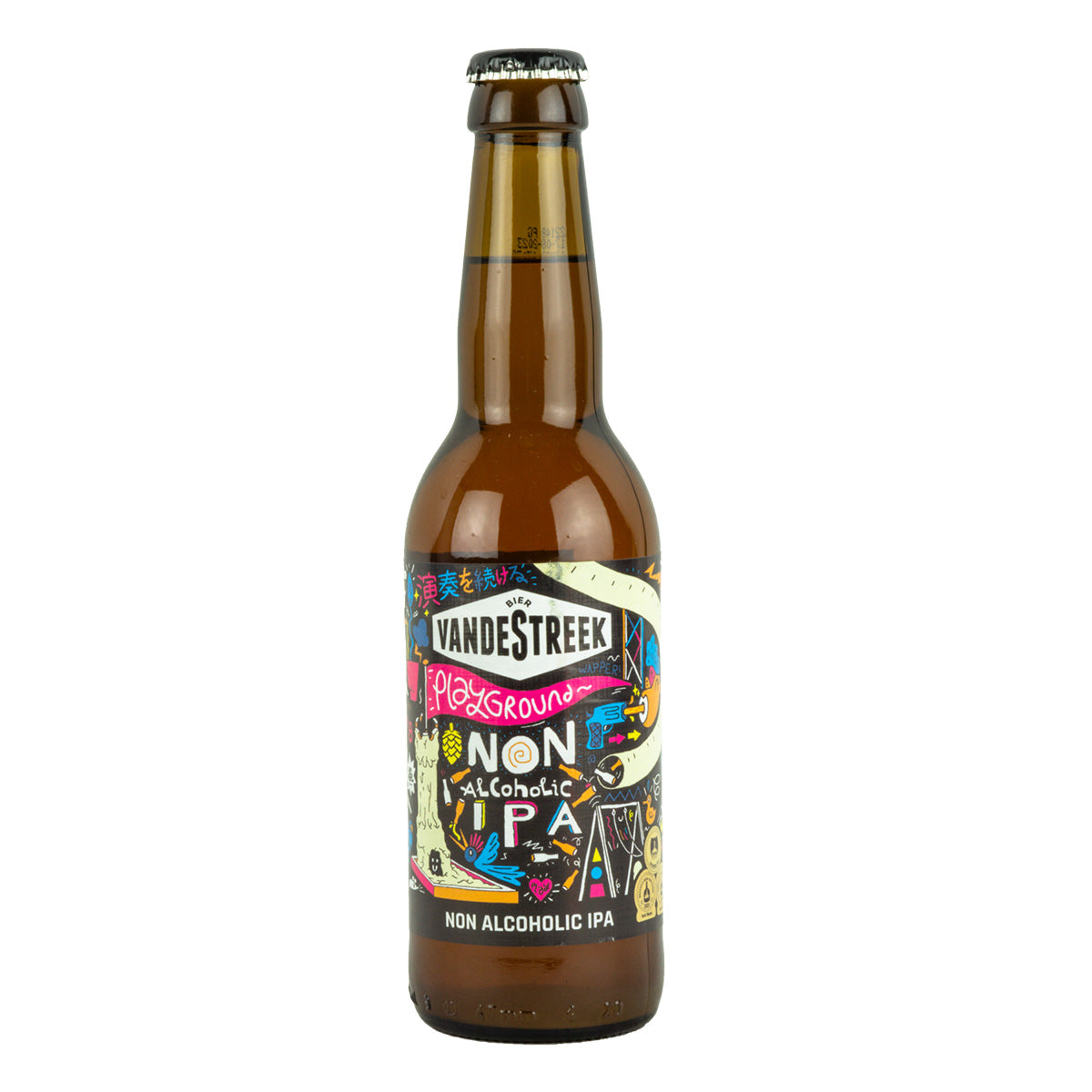
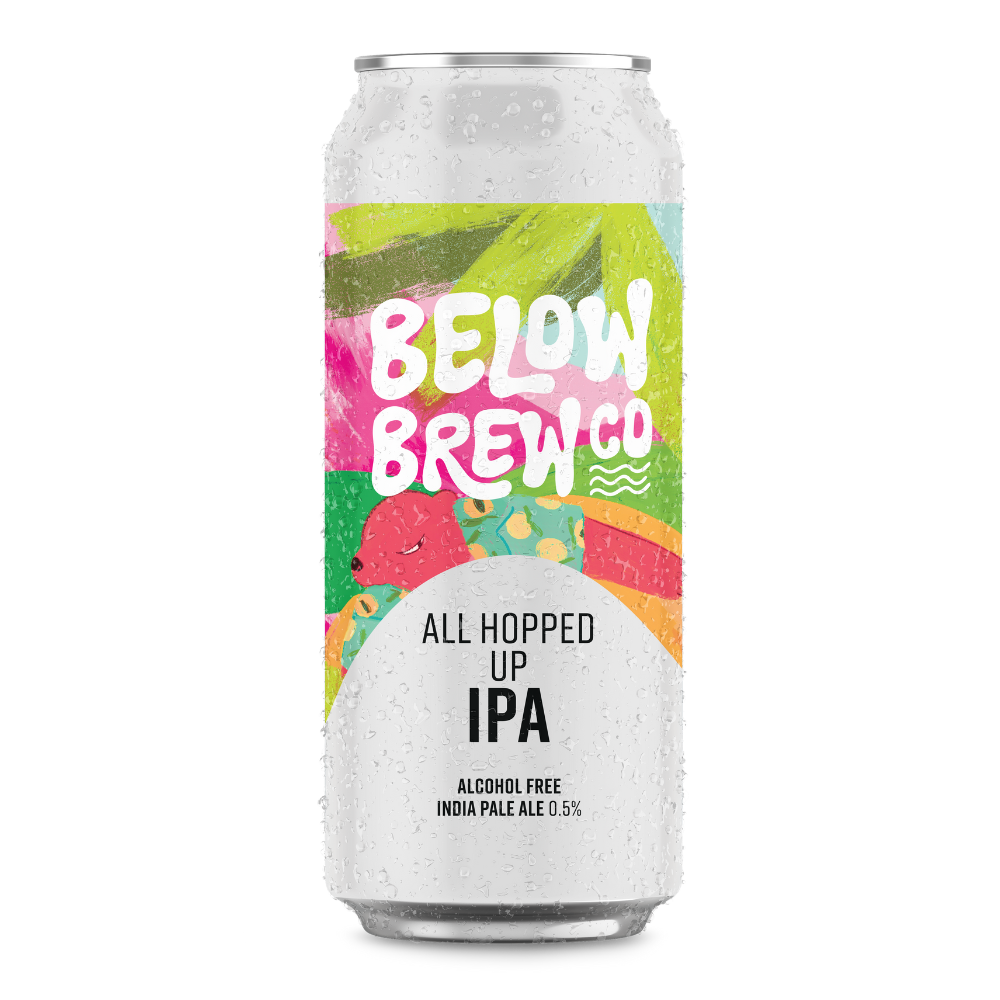
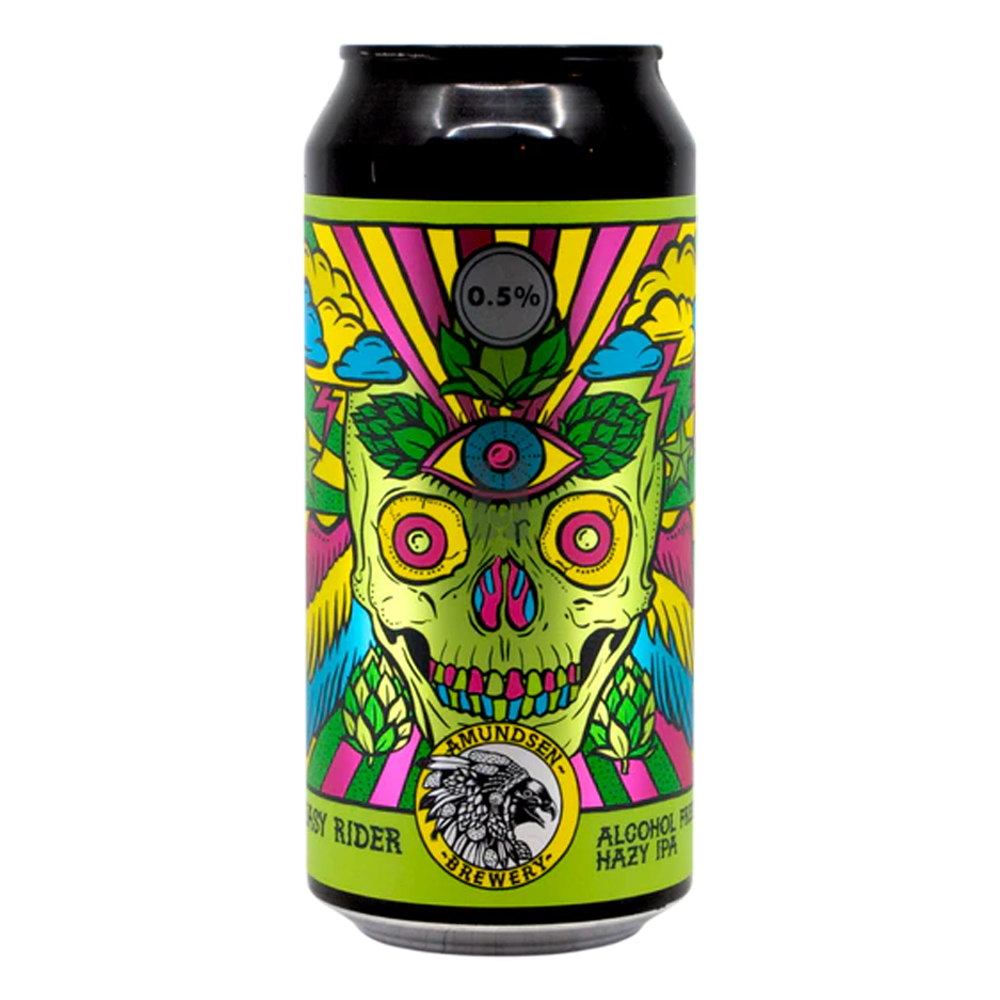
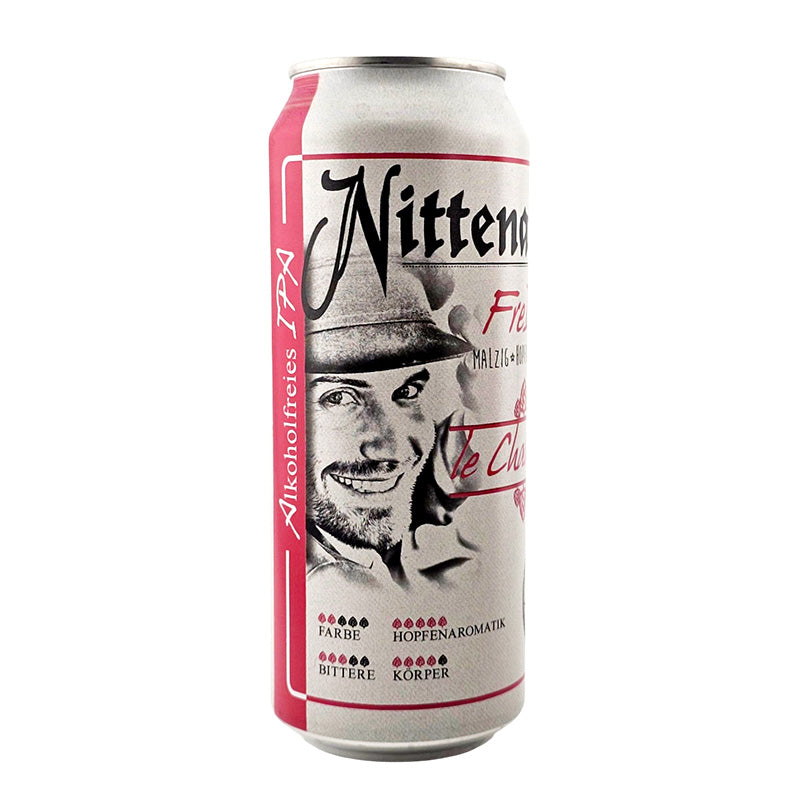
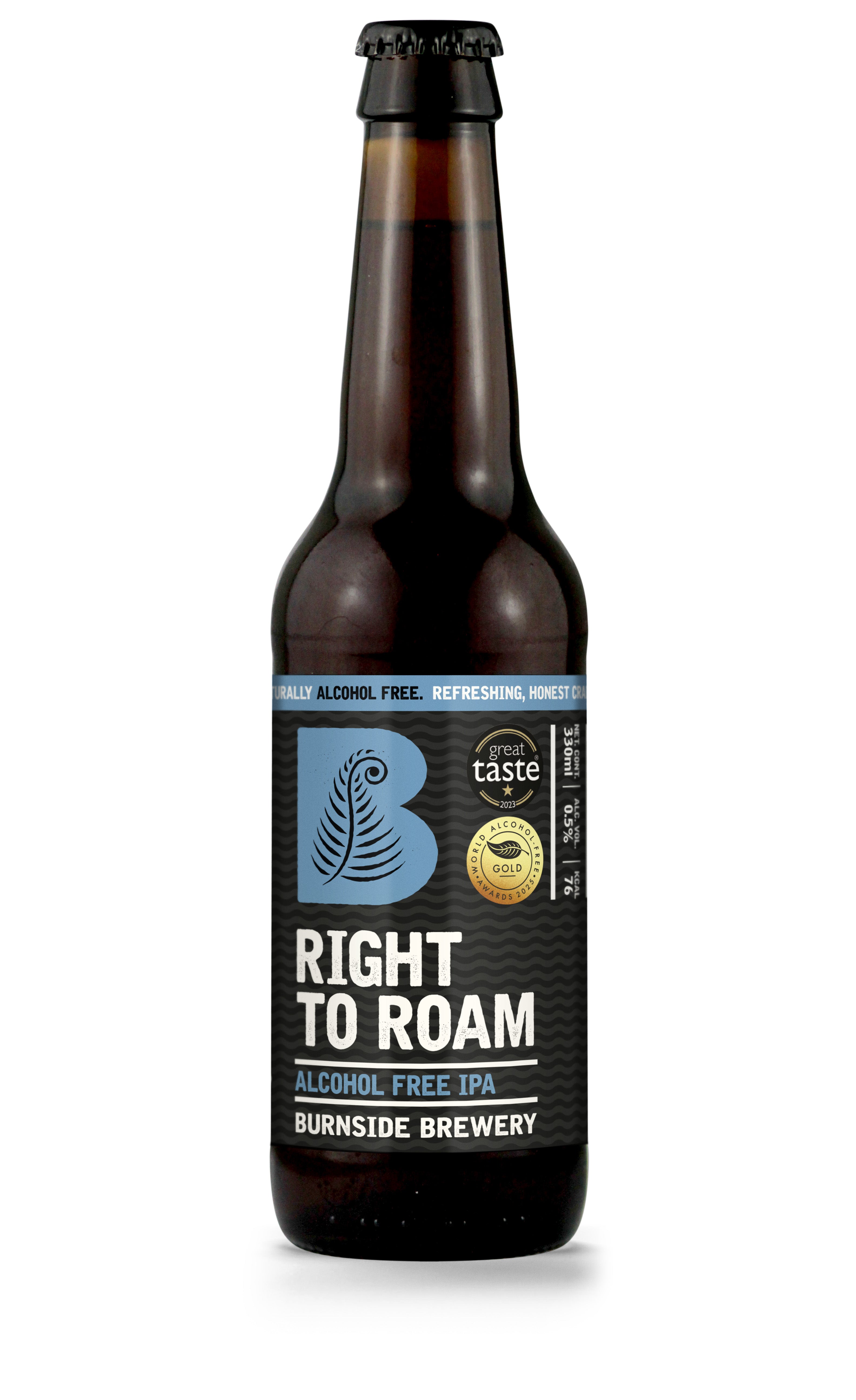
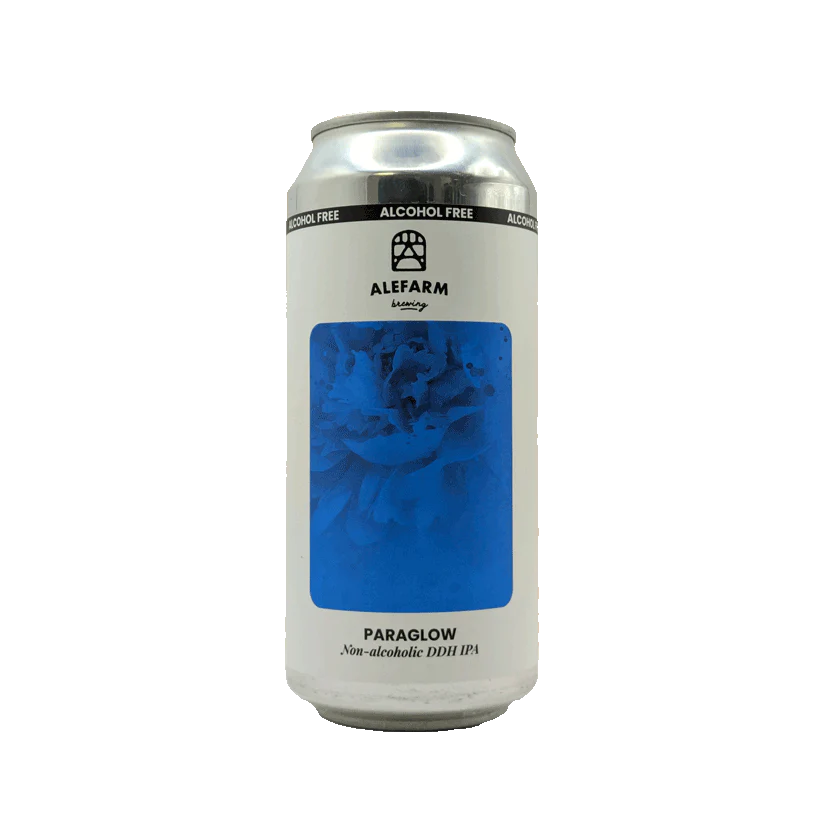
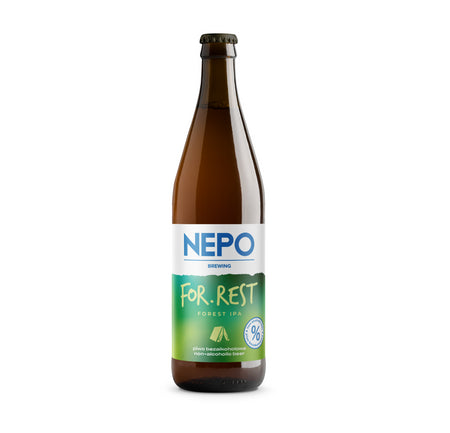
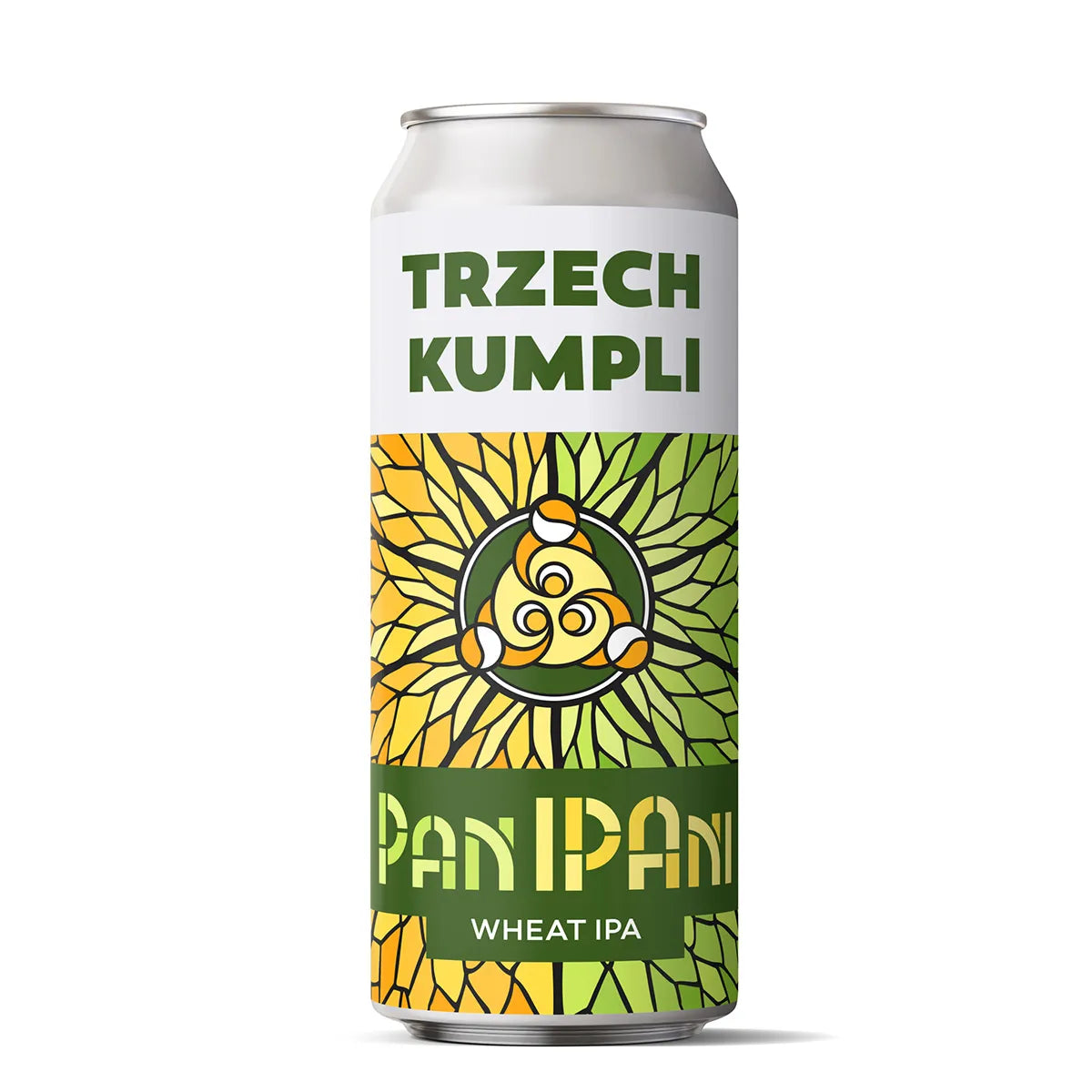
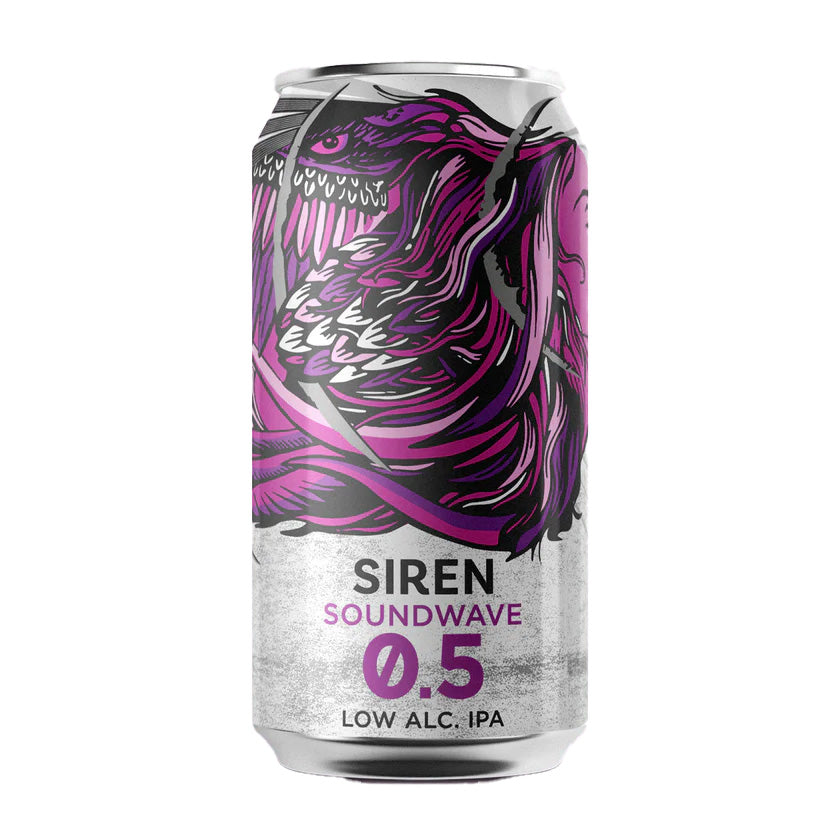
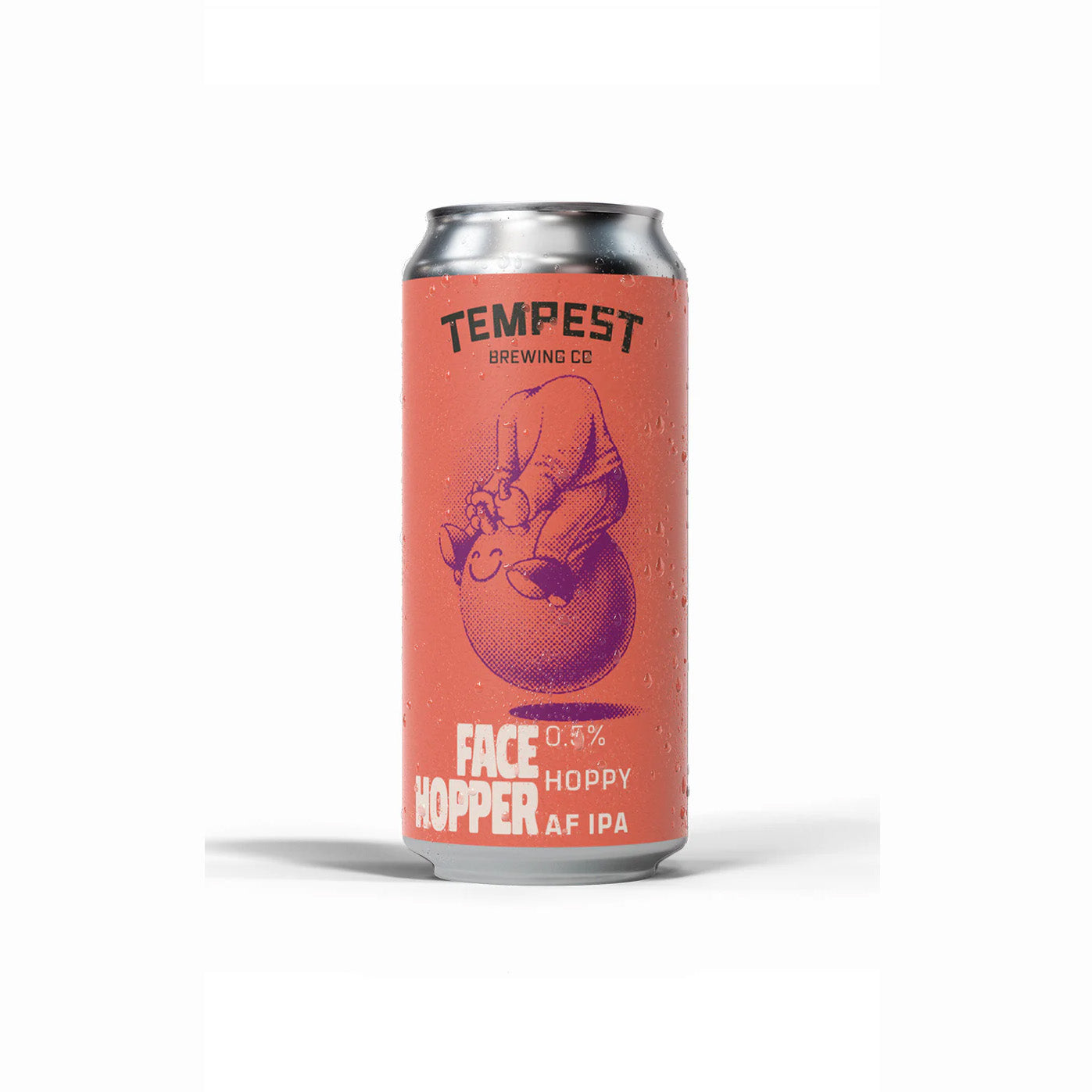
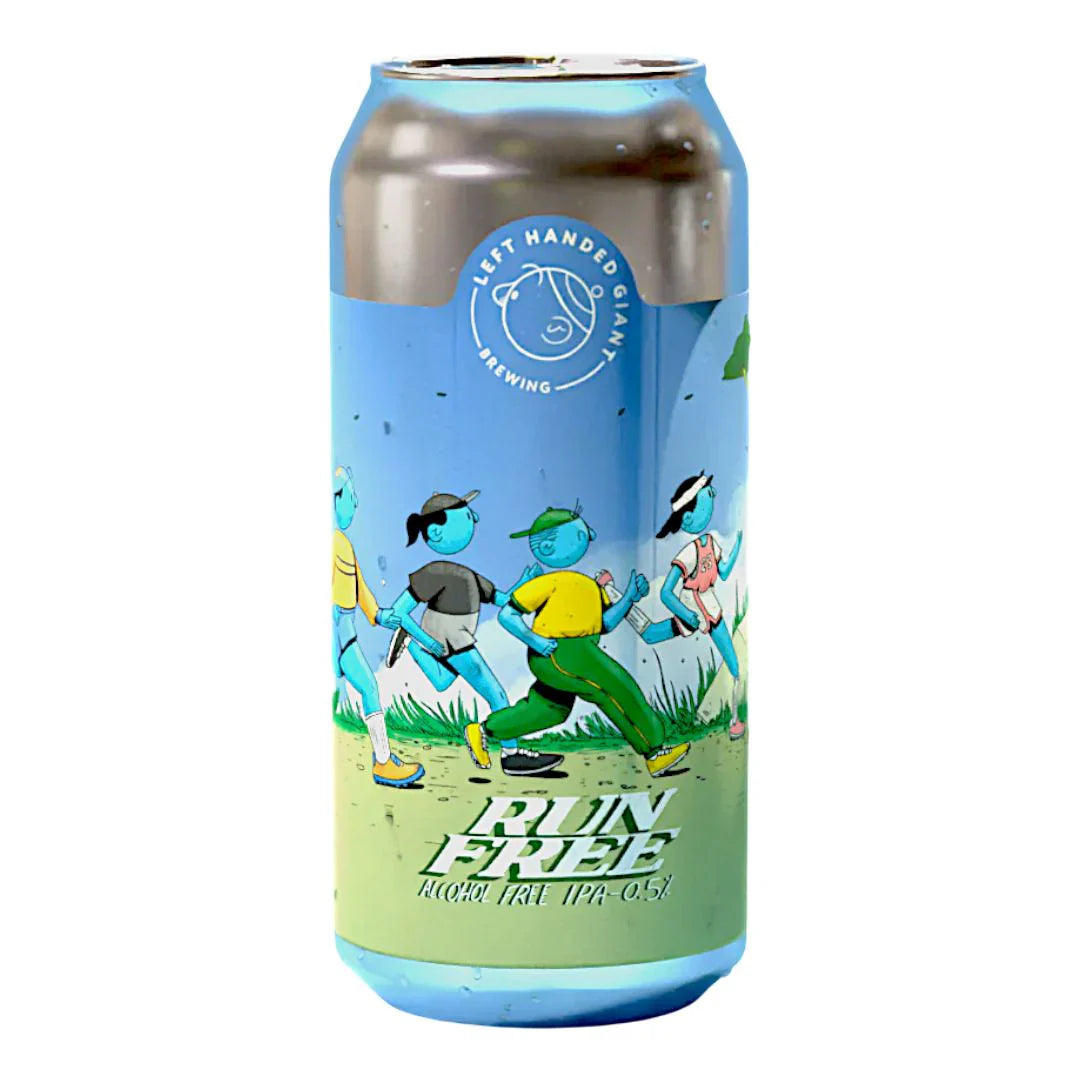
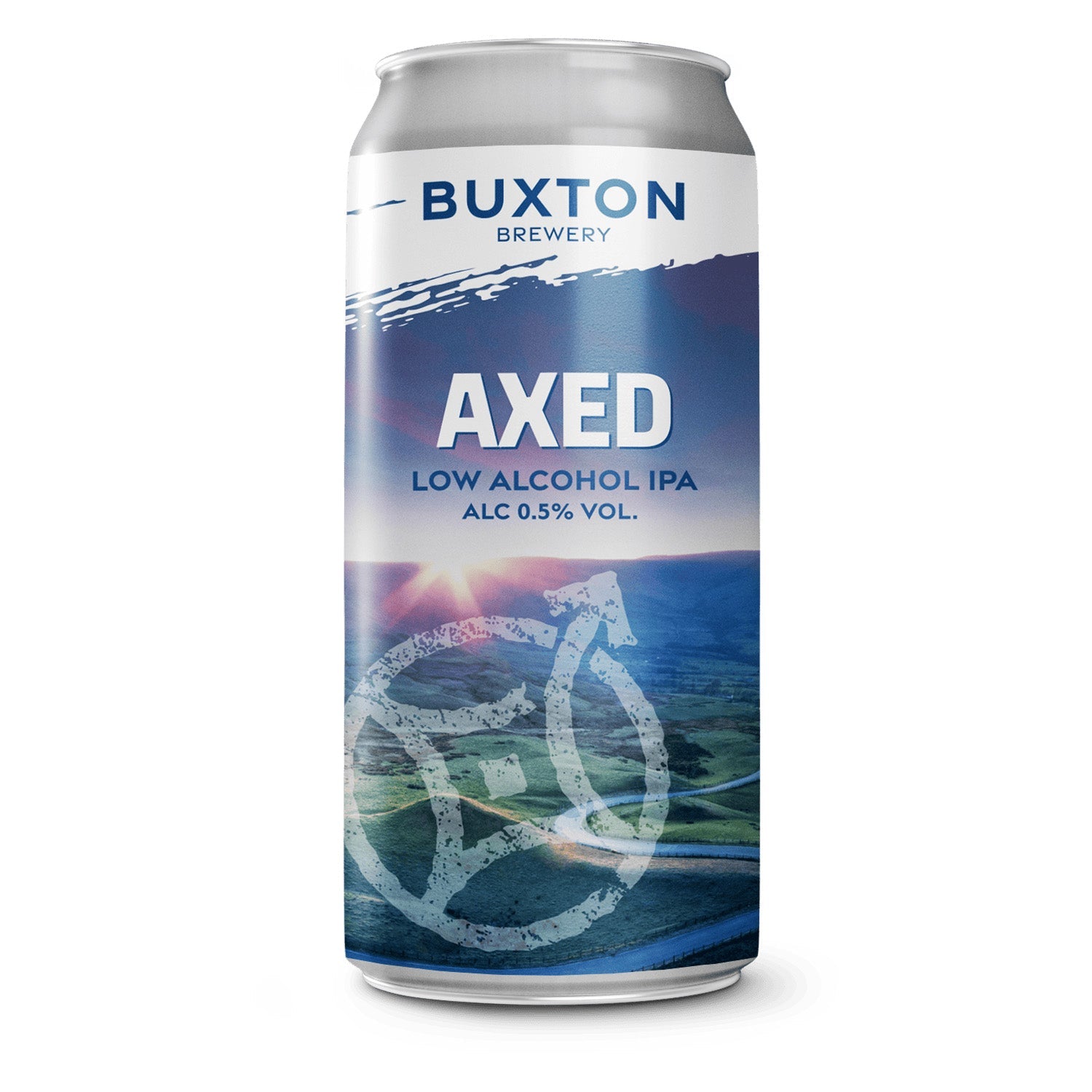
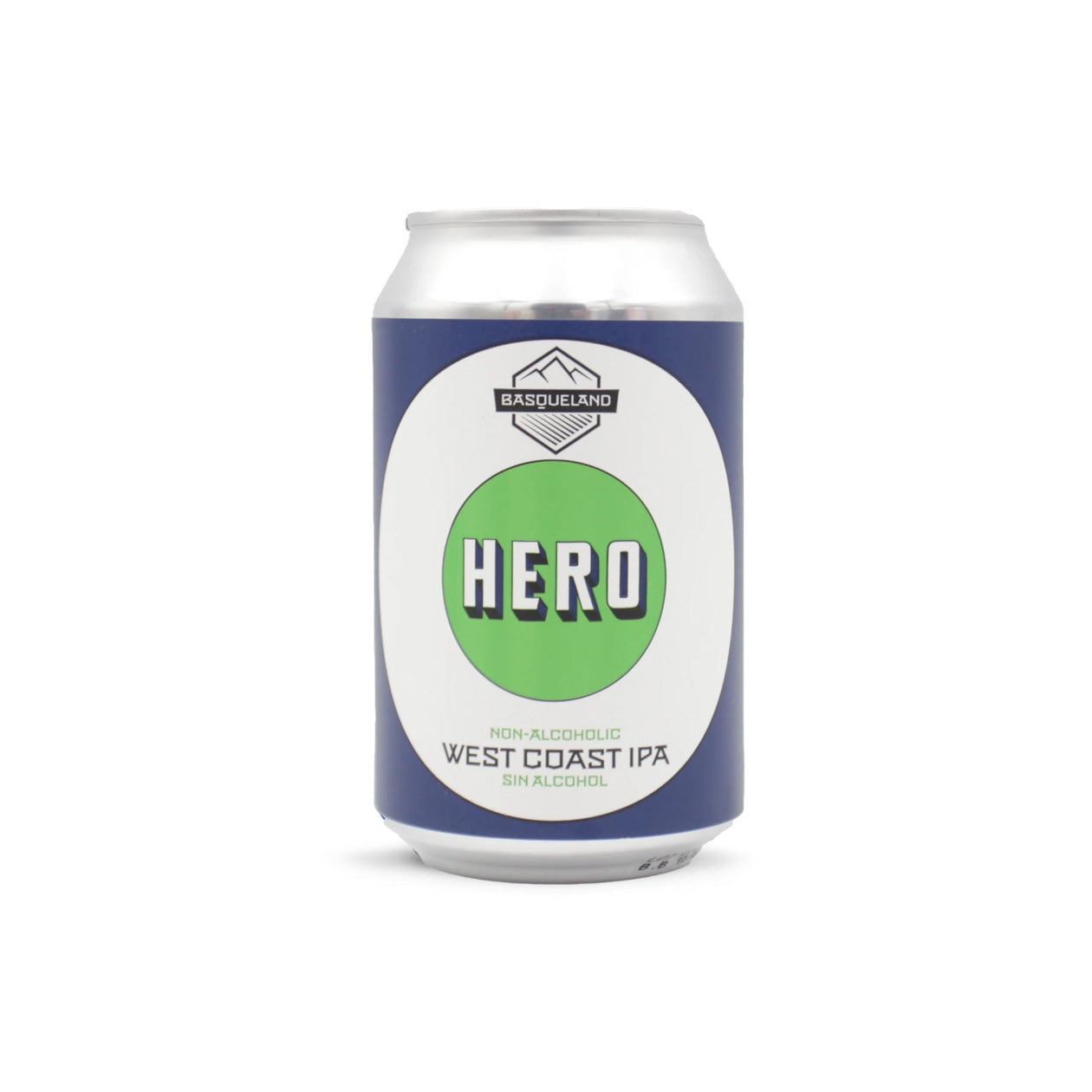
Compare calories and ABV across all 36 IPA beers
🥗 Try the Calorie Calculator →Track what you have tried, discover your taste archetype.