Alcohol-Free Beer That Actually Tastes Like Real Beer
Published July 2026 · 6-minute read · by Rich, founder of Unhopped
‘It just doesn’t taste the same’ was a fair verdict in 2016. In 2026 it’s a sign someone picked the wrong bottle. After reviewing the 227 alcohol-free beers in our directory, we can tell you exactly where the gap to ‘real’ beer has closed — and the handful of places it hasn’t.
Where the gap has closed
Alcohol contributes body, a little sweetness and warmth — but far less of beer’s flavour than people assume. Roast malt, hops and yeast character all survive its removal, which is why the styles built on those pillars convert best:
The honest bit: where a gap remains
Strong, boozy styles — imperial stouts, Belgian tripels, barley wines — lean on alcohol itself for warmth and heft, and their AF versions are impressive rather than identical (though the new Belgian AF wave is closing fast). Thin, ultra-light AF lagers from the early era also still exist on shelves and still disappoint; the difference between the best and worst AF beer is far wider than in full-strength beer, which is exactly why picking by review matters. Our piece on why some AF beers taste better than others digs into the brewing science.
The real trick: match, don’t search
‘Does AF beer taste like real beer?’ is actually the wrong question — the right one is ‘does this AF beer taste like my beer?’. A perfect AF stout is no use to a Peroni drinker. Closeness is personal, and it’s exactly what we built the Swap Finder to solve: pick your usual pint, get the nearest reviewed matches, official 0.0 versions flagged first.
Pick your usual pint — Peroni, Guinness, Punk IPA and 29 more — and get the closest alcohol-free matches we’ve reviewed, with where to buy each one. Free, instant, no email needed.
Find your swap →Three beers that convert sceptics
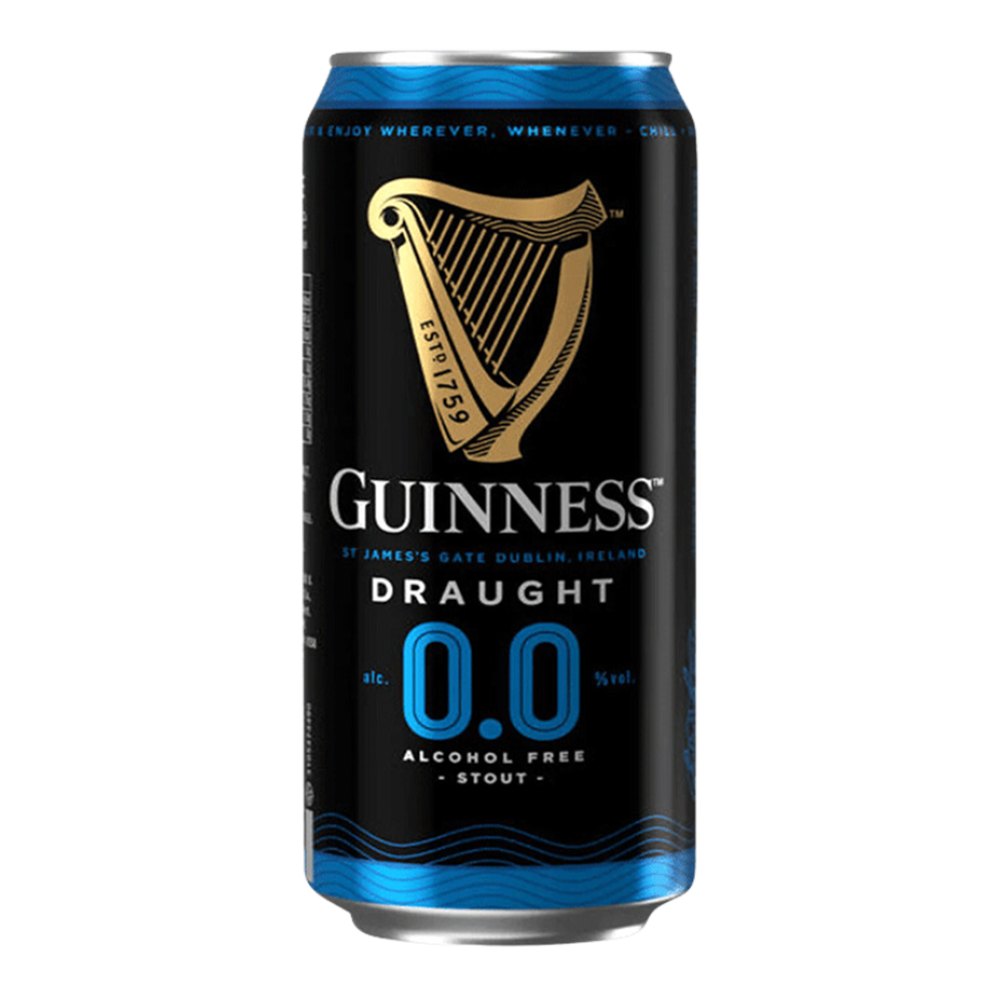
If you’re proving the point to someone tonight: Guinness 0.0 for any stout drinker (routinely mistaken for the original), Lucky Saint Unfiltered for lager loyalists, and Erdinger Alkoholfrei for anyone open to wheat beer. Then let them loose on the full swaps library for their own pint. And once the taste question is settled, switching properly or zebra striping your sessions is the natural next move.
Want the full ranking? Our list of the best alcohol-free beer in the UK ranks the 20 highest-rated beers you can buy today, with where to get each. Lager drinker? Start with the best alcohol-free lager.