Alcohol-Free vs Low Alcohol Beer — What's the Difference?
You are standing in a supermarket looking at a shelf of NA beers. One says 0.0%. One says 0.5%. One says “low alcohol”. One says “alcohol-free”. What does it all mean, and does it actually matter?
This guide explains the difference clearly, with the UK legal definitions you need to know.
The UK legal definitions
| Term | ABV | Notes |
|---|---|---|
| Alcohol-free | 0.05% or less | UK legal definition |
| De-alcoholised | 0.5% or less | Made by removing alcohol |
| Low alcohol | 1.2% or less | Still contains alcohol |
| Non-alcoholic | Not legally defined | Used informally |
This is where it gets confusing. In the UK, a beer labelled “alcohol-free” must contain 0.05% ABV or less. But many beers labelled “alcohol-free” by their breweries contain up to 0.5% ABV — because in practice, the term is used loosely in the market.
The key number to look for is the actual ABV percentage on the label, not the marketing language.
What is 0.0%?
A 0.0% beer contains no detectable alcohol — the ABV is so low it rounds to zero. Examples include Guinness 0.0, Heineken 0.0, Days Lager and Peroni Nastro Azzurro 0.0%.
These beers are the right choice if you are pregnant, on medication that interacts with alcohol, in recovery, or simply want absolute certainty about alcohol content.
What about 0.5%?
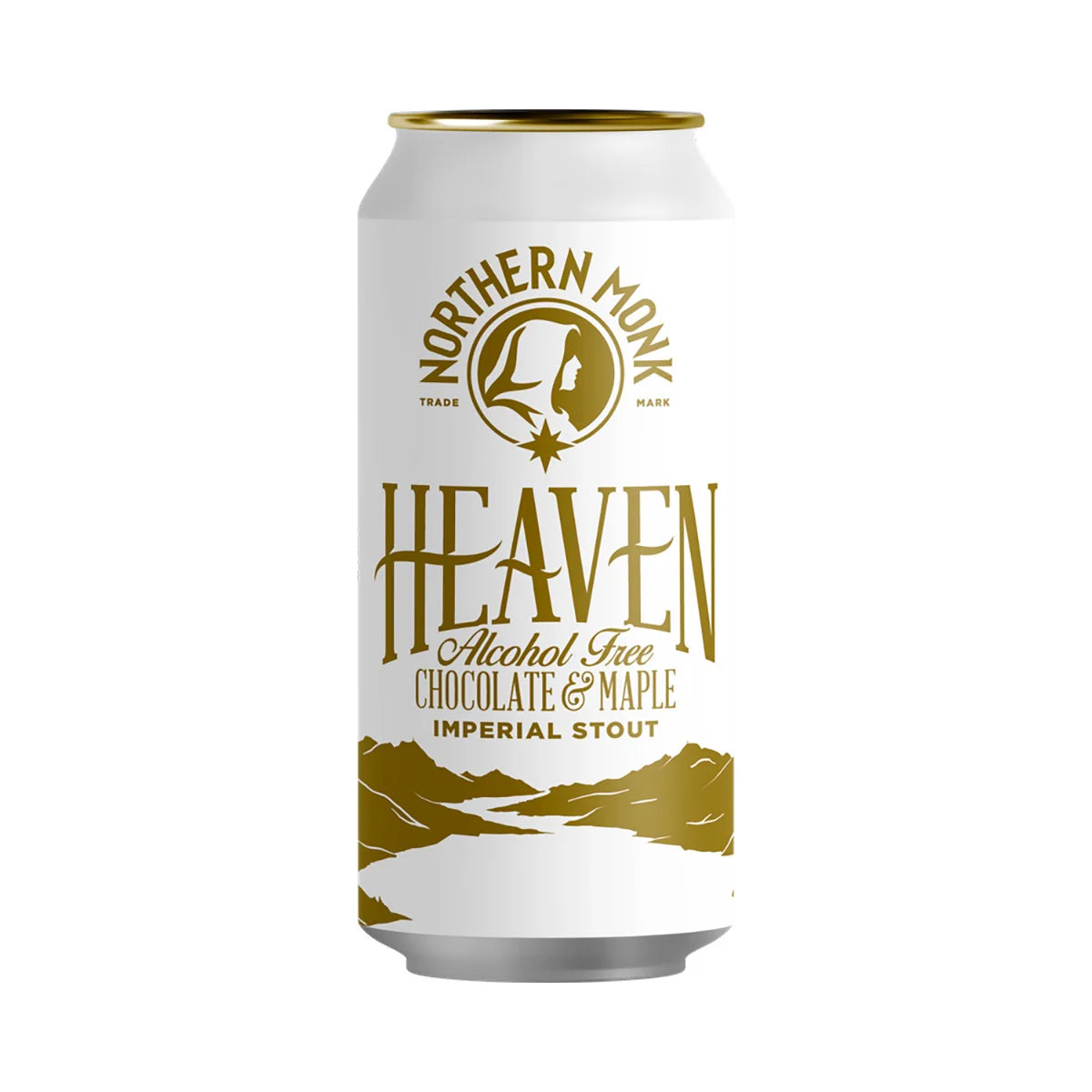
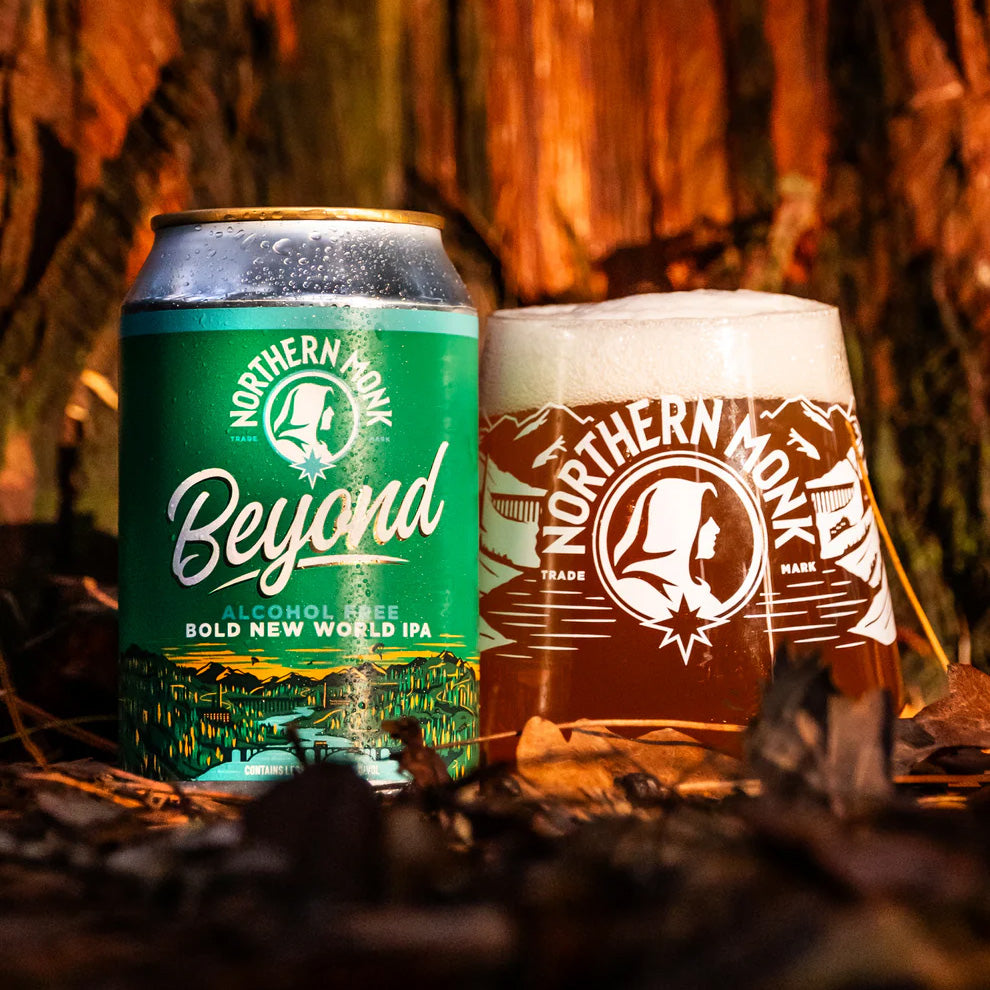
Most craft NA beers — Lucky Saint, Athletic Brewing, Northern Monk Holy Faith, Beavertown Lazer Crush — are 0.5% ABV. This is technically classified as “de-alcoholised” under UK law, not “alcohol-free”.
To put 0.5% in context: a ripe banana contains roughly 0.4% ABV. Orange juice can contain up to 0.7%. Many kombucha drinks are 0.5%. For the vast majority of people, a 0.5% beer has no meaningful effect.
However, if you are in recovery from alcohol dependency, pregnant, or on relevant medication, you should consult a doctor before consuming any products containing alcohol, including those at 0.5%.
Does lower ABV mean worse taste?
No. Some of the best NA beers in the world are 0.0% — Guinness 0.0 and Days Lager being two obvious examples. The quality of an NA beer is determined by the brewing process and ingredients, not the ABV.
In fact, many brewers argue that 0.5% is easier to brew well because a tiny amount of residual alcohol helps preserve flavour compounds. But the 0.0% options have caught up enormously in recent years.
Which should you choose?
Choose 0.0% if you are pregnant, in recovery, on medication, or want absolute certainty about alcohol content.
Choose 0.5% if you want the widest range of flavour and style options — most of the best craft NA beers sit here.
Avoid “low alcohol” (up to 1.2%) if you want to avoid alcohol entirely — these products still contain a meaningful amount.
Rate every beer. Find your taste archetype. Free on iPhone.
Alcohol-free beer at a glance: a richer comparison
Beyond the basic UK legal categories, here's how alcohol-free beer compares to other drinks across the variables drinkers actually care about:
| Drink | ABV | Approx. calories (330ml) | Typical use case |
|---|---|---|---|
| Full lager (4.5%) | 4.5% | 130–180 | Standard pub pint |
| Low alcohol beer (1.2%) | Up to 1.2% | 70–110 | Moderation; still alcoholic |
| 0.5% AF craft (Lucky Saint, Big Drop) | 0.5% | 50–90 | Craft NA at scale |
| 0.0% AF mainstream (Heineken, Guinness) | 0.0% | 16–90 | Absolute zero certainty |
| Soft drinks (regular cola) | 0.0% | ~140 | Reference point |
| Sparkling water / slimline tonic | 0.0% | 0–6 | Lowest-calorie alternative |
Explore further
If you've worked through the basics and want to go deeper, our alcohol-free cluster covers the key follow-up questions in detail:
- Is alcohol-free beer actually alcohol-free? — The labelling reality, the legal threshold, and how AF beer compares to ripe bananas and orange juice.
- 0.0% vs 0.5% beer: what's the difference? — The product-level comparison, why most craft AF sits at 0.5%, and how to choose between them.
- How is alcohol-free beer made? — The four production methods (arrested fermentation, vacuum distillation, reverse osmosis, dilution) and how each affects flavour.
- Why do some alcohol-free beers taste better? — What separates great craft AF from average mass-market — method, recipe, and brewer expertise.
- Calories in alcohol-free beer vs regular beer — Full numerical comparison across 0.0%, 0.5%, low alcohol, and full-strength options — plus how AF compares to wine, soft drinks, and spirits.
- GOV.UK — Food labelling and packaging guidance, including alcohol content thresholds.
- UK Department of Health and Social Care — consultation on aligning the UK alcohol-free threshold with EU rules.
- Food Standards Agency (FSA) — Alcoholic strength and food information.
- European Council Directive 2011/91/EU — food labelling regulations.
- Drinkaware — UK alcohol unit guidance and calorie content references.
- Brewers Association — technical resources on the 0.5% / 0.05% thresholds and dealcoholisation methods.
- Goldberg, et al., The natural occurrence of ethanol in food — peer-reviewed evidence of trace alcohol in everyday foods.